The Color Analysis Encyclopedia
Every color analysis term from A to Z, each with a short definition and a link to the page that explains it. Below the terms are the topics, and every guide on the site.
The four traits
Every color analysis looks at the same four things. Each season is a mix of them.
Color analysis terms, A to Z
73 terms
#
- 4-season system
- The original Spring, Summer, Autumn and Winter. Books from 1978 and 1980 made it popular.
- 12-season system
- The system most analysts use today: the four seasons, each split three ways by the trait that leads (light, true, bright, soft or deep).
- 16-season system
- A system with 16 types. Its extra names, such as Soft Winter, sit between two of the 12 seasons.
A
- Analogous colors
- Colors next to each other on the color wheel, such as teal, blue and violet. An outfit of analogous colors looks calm.
- Ash
- A cool hair tone with no gold or red in it. Ash shades suit the cool seasons.
- Auburn
- Red-brown hair, from light copper auburn to dark chestnut auburn.
- Autumn
- The warm, soft-to-deep season family: Soft Autumn, True Autumn and Deep Autumn.
B
- Beige skin tone
- A light-to-medium skin tone with a yellow or neutral cast.
- Bright
- High chroma. A bright season wears clear, saturated colors: Bright Spring and Bright Winter. Also called "clear".
- Bright or muted
- The two ends of chroma. A bright coloring is clear and vivid, and a muted (soft) coloring is gentle and blended. Most people sit between.
C
- Chroma
- How bright or soft a color is. One of the four traits: in a person, how clear and vivid the coloring is. Munsell named it in 1905.
- Chroma axis
- The bright to soft score in our analysis, from -1 to +1. When the hair is readable, 70% is the hair to skin lightness gap and 30% is skin chroma.
- CIEDE2000
- The standard formula for how different two colors look. We use it to find the palette color nearest to any color.
- CIELAB
- A color space with three numbers: L* for lightness, a* for red to green, b* for yellow to blue. Our analysis measures skin in it.
- Clarity
- An older word for chroma in many color guides. Our report still labels the axis "Clarity".
- Clear
- Another name for bright. Clear Winter is Bright Winter, and Clear Spring is Bright Spring.
- Color analysis
- Finding the colors that suit your natural skin, hair and eyes. Also called personal color analysis.
- Color constancy
- How your eyes keep the color of an object about the same when the light changes. A camera does not do this, so a photo needs white balance.
- Color Me Beautiful
- Carole Jackson's 1980 book that took the four-season system to a mass market.
- Color temperature
- How warm or cool a light is, in kelvin. Indoor bulbs are warm, daylight is cooler. It changes how skin looks in a photo.
- Color theory
- The ideas that explain how colors look and work together: hue, value and chroma, warm and cool, and how a color changes next to another. Color analysis builds its four traits on them.
- Color wheel
- The hues in a circle. Opposite colors are complementary, neighbors are analogous.
- Colors to avoid
- The colors that work against a season. Each season page lists them, with the reason for each.
- Complementary colors
- Colors opposite each other on the color wheel, such as blue and orange. Together they make the strongest contrast of hue.
- Contrast
- One of the four traits: how far apart the lightness of your hair, skin and eyes is. High contrast is dark hair on light skin. Low contrast is hair, skin and eyes close in lightness.
- Cool undertone
- Skin with a pink, red or blue cast. Cool seasons are the Summers and the Winters.
D
- Deep
- Low lightness. A deep season wears dark, rich colors: Deep Autumn and Deep Winter. See depth
- Depth
- One of the four traits: how light or deep your coloring is overall. In color science it is value, or L* in CIELAB.
- Dominant trait
- The trait that defines a season most. For Soft Autumn it is chroma (soft), for Deep Winter it is depth (deep).
- Drape
- A piece of colored fabric held under the face. An analyst compares drapes in pairs to see which color suits the skin.
E
- Eumelanin and pheomelanin
- The two pigments of hair: black-brown eumelanin and red-brown pheomelanin. Their amount and ratio make most of the hair color.
F
- Fair skin
- Very light skin, in a cool, neutral or warm undertone.
- Family
- One of the four groups of seasons: Spring, Summer, Autumn or Winter. Each family holds three seasons.
- Fitzpatrick skin type
- A dermatology scale of six types by how skin reacts to the sun. It does not measure undertone.
G
- Gold or silver test
- A home test: which metal looks better against your skin. Gold often suits warm skin, silver cool skin. It is a hint, not a result.
H
- Hex code
- A six-character code for a screen color, such as #C65D3B. Every swatch on this site has one, so you can match it when you shop.
- Hue
- The name of a color: red, yellow, green, blue and so on. In Munsell terms, one of the three qualities of a color.
- Hue angle
- The position of a color on the color wheel, in degrees, worked out in CIELAB from the a* and b* numbers.
I
- Individual Typology Angle (ITA)
- An angle computed from L* and b* that sorts skin from very light to dark. Our skin tone chart and analysis use it for depth.
K
- Korean personal color
- The Korean form of seasonal analysis, with types such as spring light and winter deep.
L
- Light
- High lightness. A light season wears delicate, light colors: Light Spring and Light Summer. See depth
M
- Melanin
- The main pigment of skin, hair and eyes. With hemoglobin, bilirubin and carotene, it makes skin color.
- Metamerism
- When two colors match under one light and do not match under another. It is why a top can look different in the shop and in daylight.
- Monk Skin Tone Scale
- A 10-point skin tone scale, made to cover more skin tones than the Fitzpatrick scale.
- Munsell color chart
- A chart that arranges colors by hue, value and chroma. The one on our Munsell page plots each season palette by CIELAB lightness and chroma.
- Munsell color system
- A system from 1905 that describes every color by hue, value and chroma. Undertone, depth and chroma come from these three.
- Muted
- Low chroma: dusty, grayed colors. Another word for soft.
N
- Neutral undertone
- Skin that is neither clearly warm nor clearly cool. Neutral skin often sits between two seasons.
- Neutrals
- The base colors of a wardrobe: black, white, navy, gray, brown, beige. Each season has its own versions.
O
- Olive undertone
- Skin with a green or gray cast over a warm or neutral base.
P
- Palette
- The set of colors that suit a season, usually about 20 colors and a few neutrals.
- Peach skin tone
- Light skin with a warm pink-orange cast, between pink and golden.
R
- Runner-up season
- The second-closest season in a reading. Our report always shows it, and how close it came.
S
- Saturation
- The everyday word for how strong a color is. In color analysis the same idea is called chroma.
- Season
- One of the 12 types in seasonal color analysis, such as Soft Autumn. Each has its own palette.
- Seasonal color analysis
- Color analysis that sorts people into seasons by undertone, depth and chroma.
- Simultaneous contrast
- A color looks different next to different colors. Chevreul named it in 1839. Studies show it changes how skin tone looks, too.
- Simultaneous lightness contrast
- A patch looks lighter or darker depending on how light or dark its surroundings are. In one study it changed the rated skin tone of a face.
- Skin tone
- How light or dark the skin is. Undertone is a different thing: the cast under the surface.
- Soft
- Low chroma. A soft season wears muted, gentle colors: Soft Summer and Soft Autumn.
- Spring
- The warm, light-to-bright season family: Light Spring, True Spring and Bright Spring.
- Summer
- The cool, light-to-soft season family: Light Summer, True Summer and Soft Summer.
T
- Tonal color analysis
- A way to name a person by their strongest trait alone: deep, light, warm, cool, clear or soft.
- Triadic colors
- Three colors spread evenly round the color wheel, about 120 degrees apart.
- True
- The middle season of a family, led by its undertone: True Spring, True Summer, True Autumn, True Winter.
U
- Undertone
- One of the four traits: whether your skin leans warm (golden), cool (pink or blue) or neutral.
V
- Value
- How light or dark a color is, in Munsell terms. In color analysis it is called depth. See depth
- Vein test
- Checking if your wrist veins look blue or green. No study tests it, and vein color depends on more than undertone.
- Von Luschan scale
- An old skin tone scale of colored tiles matched by eye. A modern study compared it with instrument readings.
W
- Warm and cool colors
- Warm colors lean toward red, orange and yellow, and cool colors toward blue, violet and blue-green. Itten listed warm-cold among the named color contrasts, and where the line falls is a choice.
- Warm undertone
- Skin with a golden, yellow or peach cast. Warm seasons are the Springs and the Autumns.
- White balance
- Correcting a photo so white looks white. Our analysis uses the white of the eye to correct the light before it reads your skin.
- Winter
- The cool, deep-to-bright season family: Deep Winter, True Winter and Bright Winter.
Topics
The articles on this site, by topic.
Foundations
What color analysis is, the systems, and how a reading is done.
The four traits
Undertone, depth, chroma and contrast: the four things every reading looks at.
Color science and theory
Hue, value and chroma, and the design ideas that explain why a color suits a face.
Skin
Skin tone and undertone, with swatches measured the way our analysis reads them.
Hair
Hair color by depth and tone, and the shades each season wears.
The seasons
The 12 seasons, the four families, and the 16-season names between them.
Color palettes
The biggest color palettes, each built from the shades of the 12 seasons, with hex codes.
Wearing it
Clothes, nails, metals and photos, in the colors of your season.
- What colors look good on me?
- Colors that go with every color
- Color analysis for men
- Best colors for family pictures
- What to wear to a funeral
- Wedding guest colors
- What to wear for a passport photo
- What to wear to a celebration of life
- What to wear to an interview
- What to wear to a baby shower
- What to wear to a bridal shower
- What to wear to court
- What to wear to jury duty
- What to wear to church
- What to wear to a wake
- What color shoes to wear with a navy dress
- What color shoes to wear with a red dress
- What color shoes to wear with a brown dress
- What color shoes to wear with a burgundy dress
- 3 colors that look good together
- What color tie to wear with a navy suit
- Capsule wardrobe for men
- Capsule wardrobe for women
- Travel capsule wardrobe
- Summer capsule wardrobe
- Bright Spring nails
- Soft Autumn nail colors
Our research
What we measured ourselves, with the method and the limits.
Latest guides
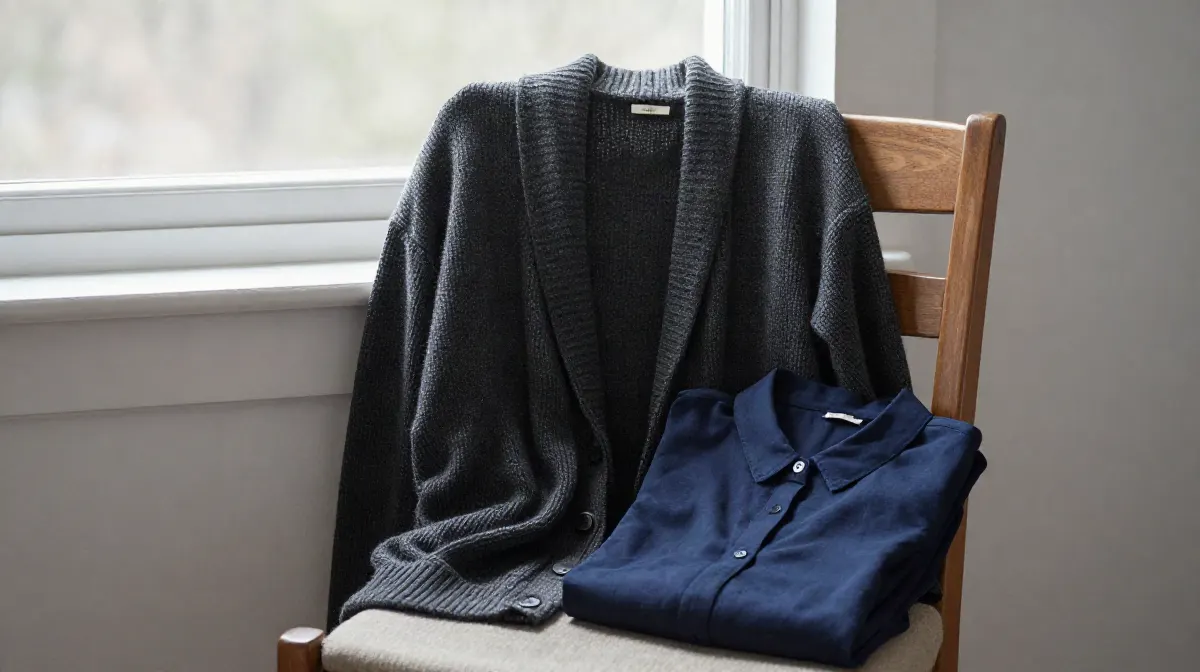
What to wear to a wake
Dark, neat clothes, a little less formal than a funeral, and dark and quiet colors for each of the 12 seasons.
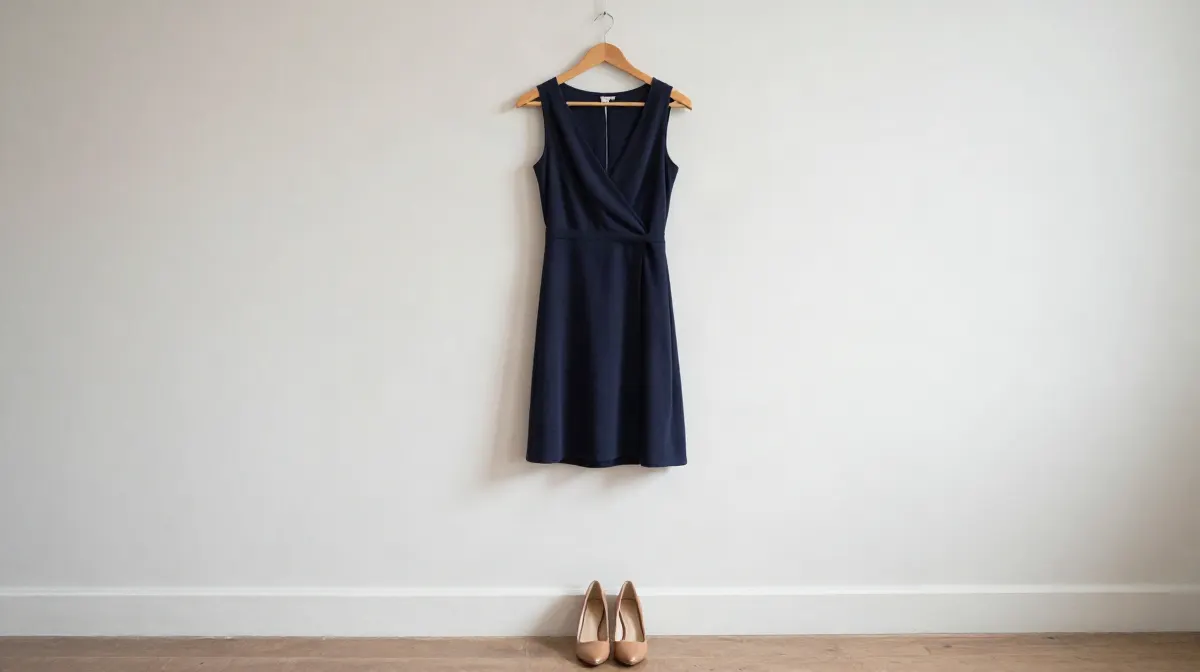
What color shoes to wear with a navy dress
The safe and the bold shoe colors for navy, what to avoid, and each season’s navy with four shoe colors.
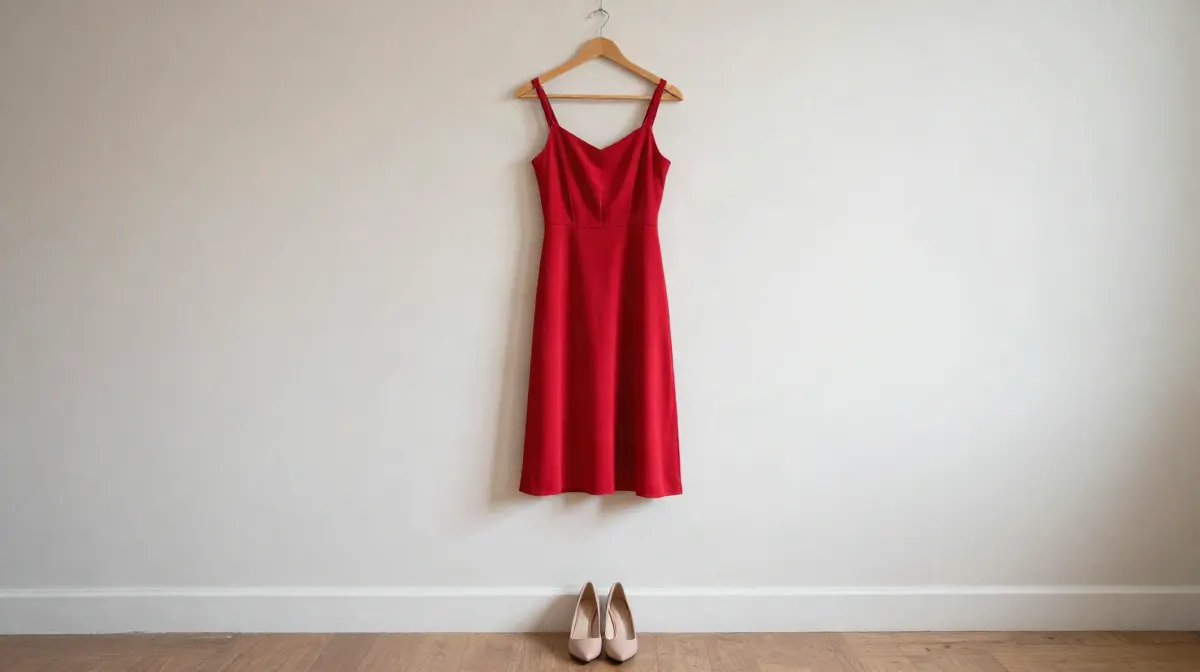
What color shoes to wear with a red dress
Nude, black, metallic or tonal: shoes for a red dress, and each season’s red with four shoe colors.
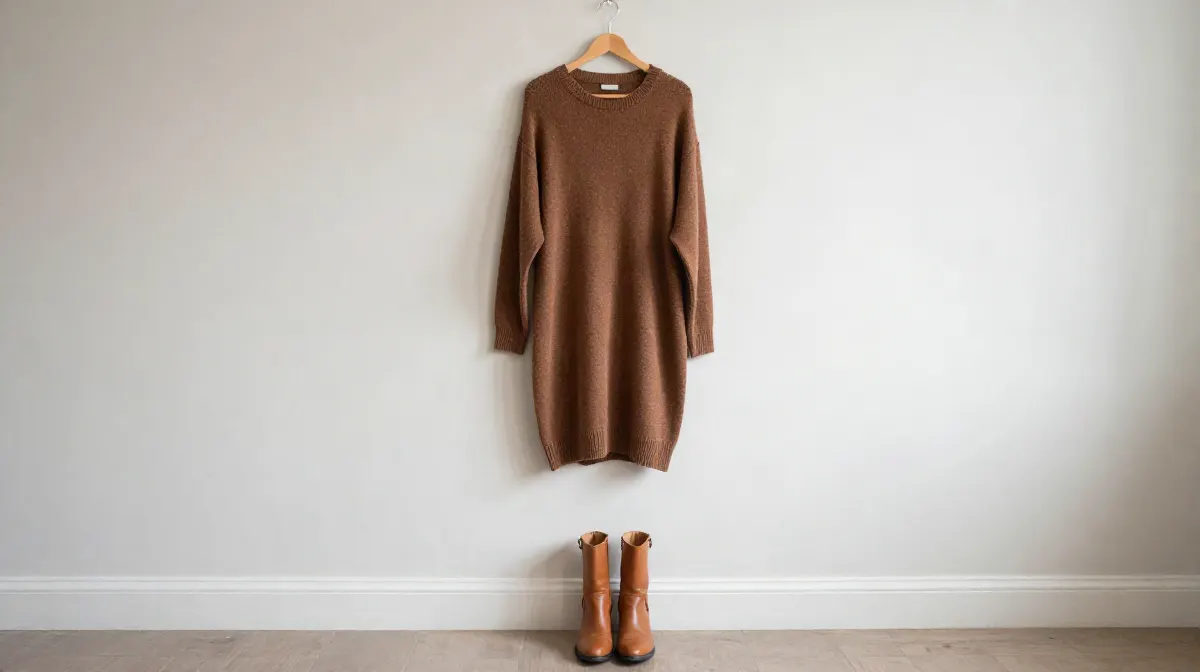
What color shoes to wear with a brown dress
Tan, cognac, cream or an accent: shoes for a brown dress, and each season’s brown with four shoe colors.
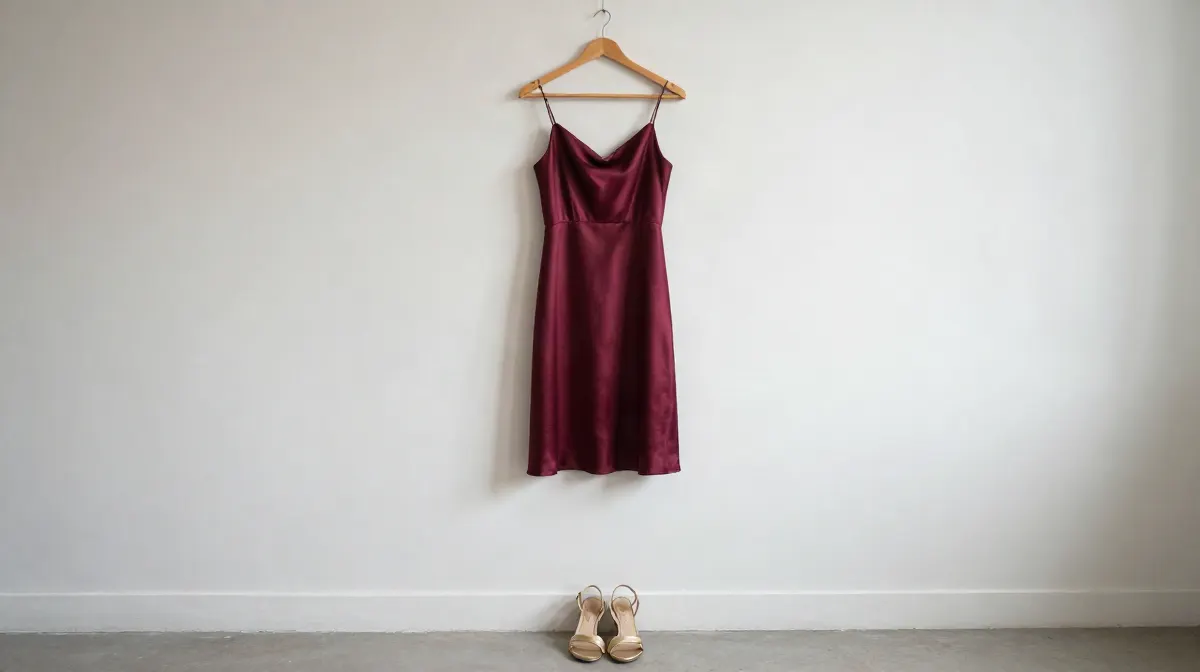
What color shoes to wear with a burgundy dress
Nude, black, gold or tonal: shoes for a burgundy dress, and each season’s burgundy with four shoe colors.
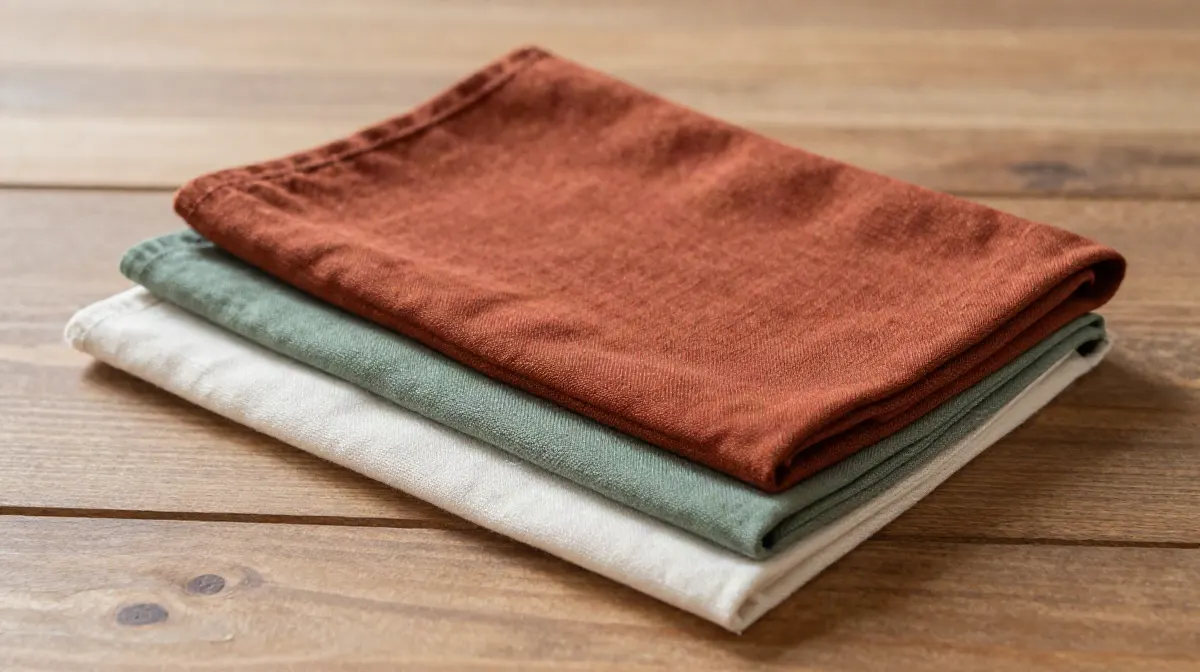
3 colors that look good together
The four color wheel rules, the 60-30-10 split, and two ready trios from each of the 12 season palettes.
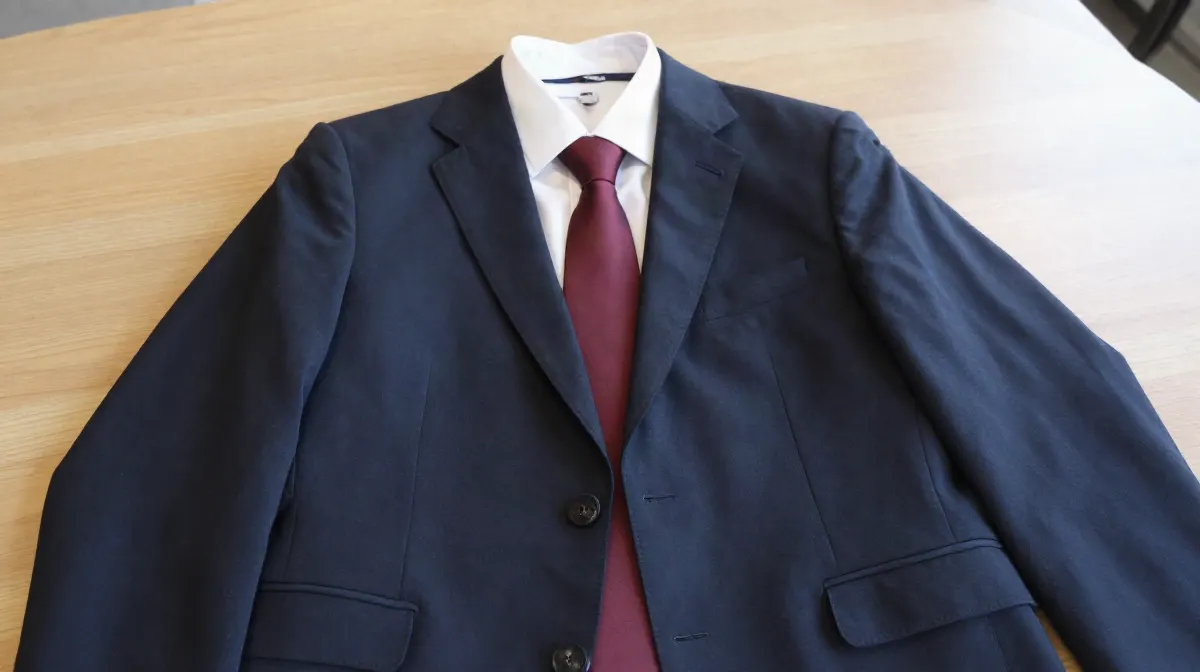
What color tie to wear with a navy suit
Burgundy, red, gold, green or pink, the shirt under it, and three ties for each of the 12 seasons.
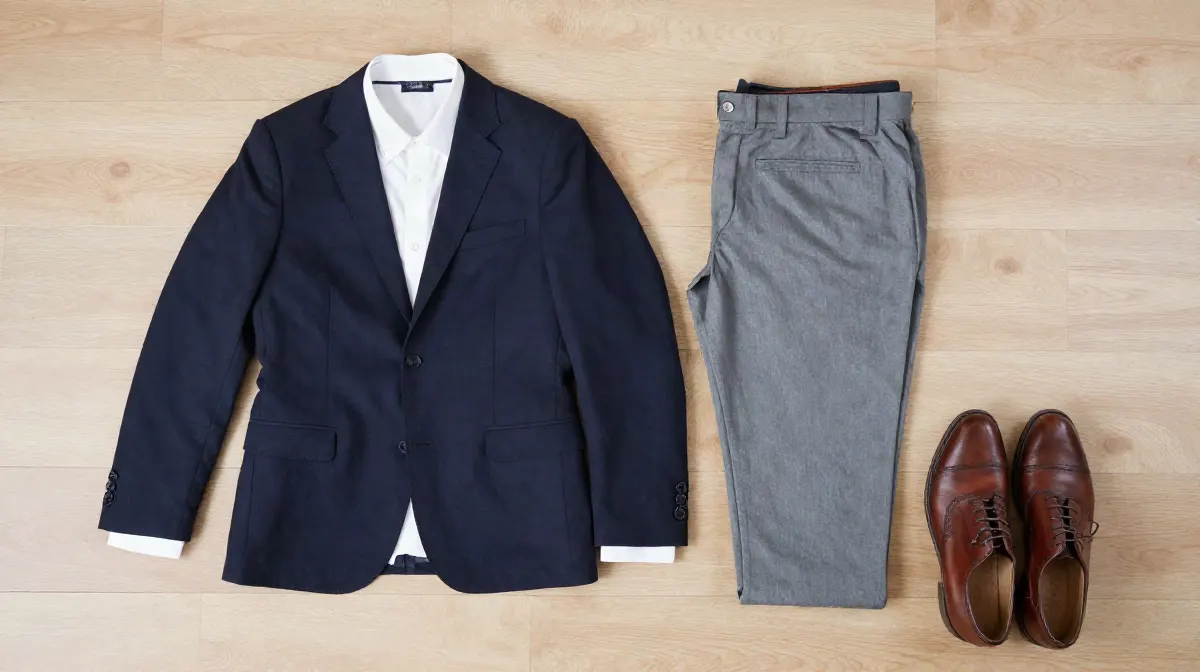
Capsule wardrobe for men
A short list of pieces that all go together, and the six capsule colors for each of the 12 seasons.
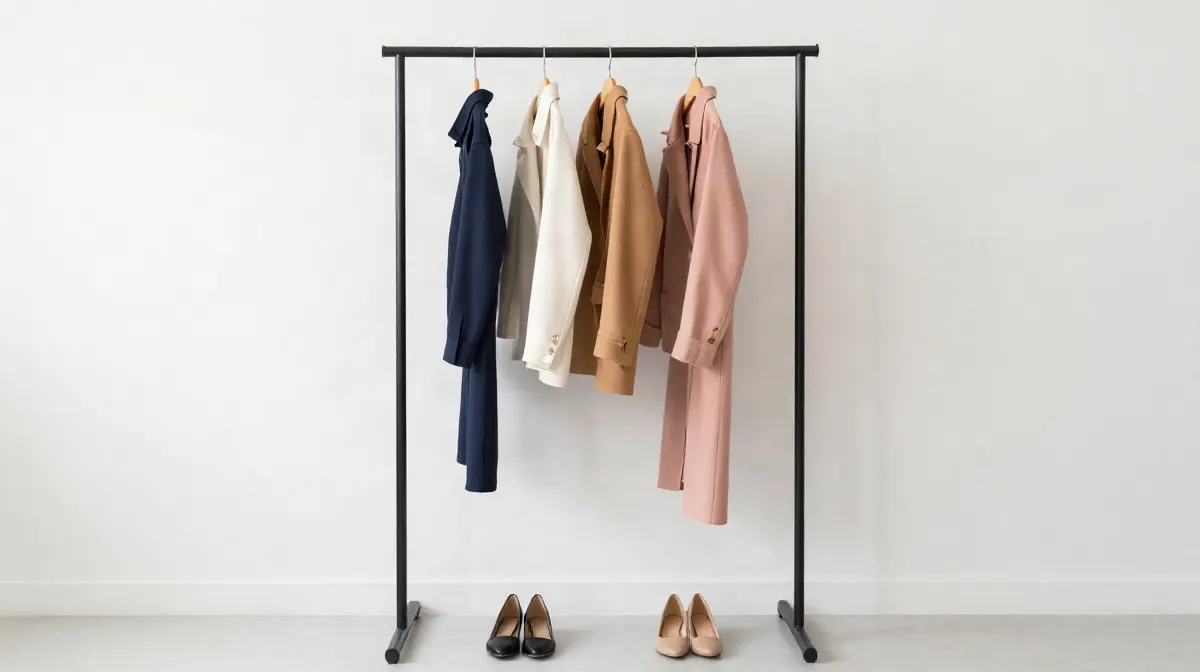
Capsule wardrobe for women
How to build it, the piece list with a color for each piece, and six capsule colors for each season.
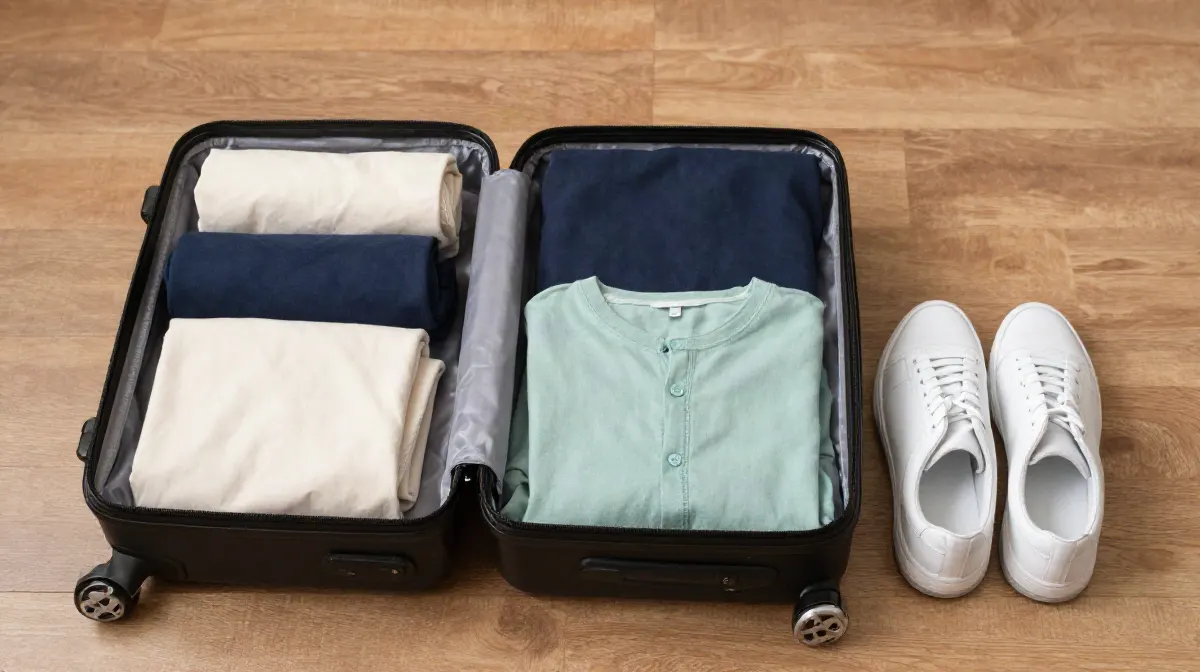
Travel capsule wardrobe
One bag where every piece matches, packing tips, and six colors for each of the 12 seasons.
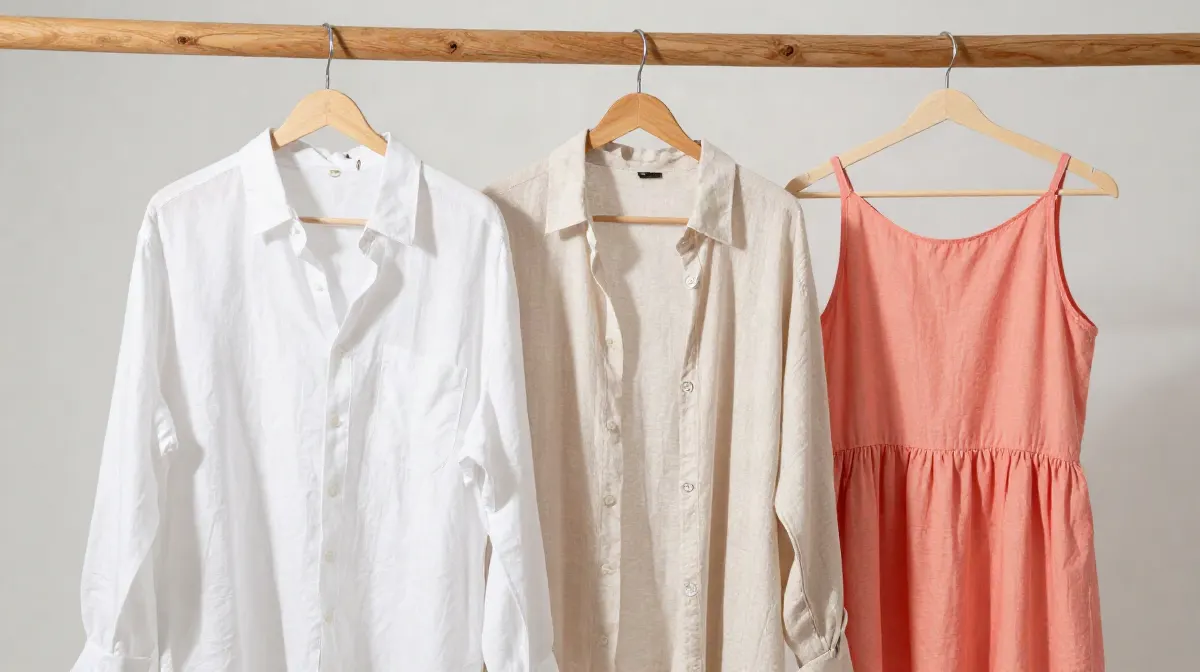
Summer capsule wardrobe
Light pieces in linen and cotton, and summer capsule colors for each of the 12 seasons.
What to wear to a celebration of life
Follow the family’s request, often color; otherwise smart, calm clothes. Plus soft and dark colors for each of the 12 seasons.
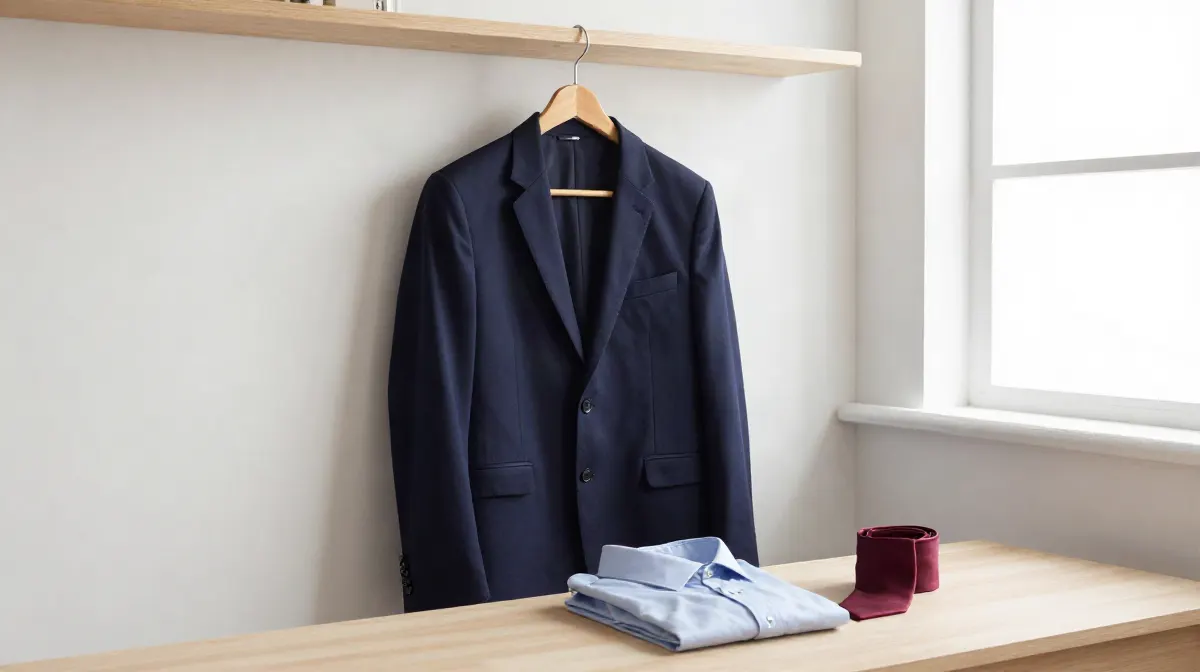
What to wear to an interview
Dress one step above the job, on a dark base with one color near your face. Base and accent colors for each of the 12 seasons.
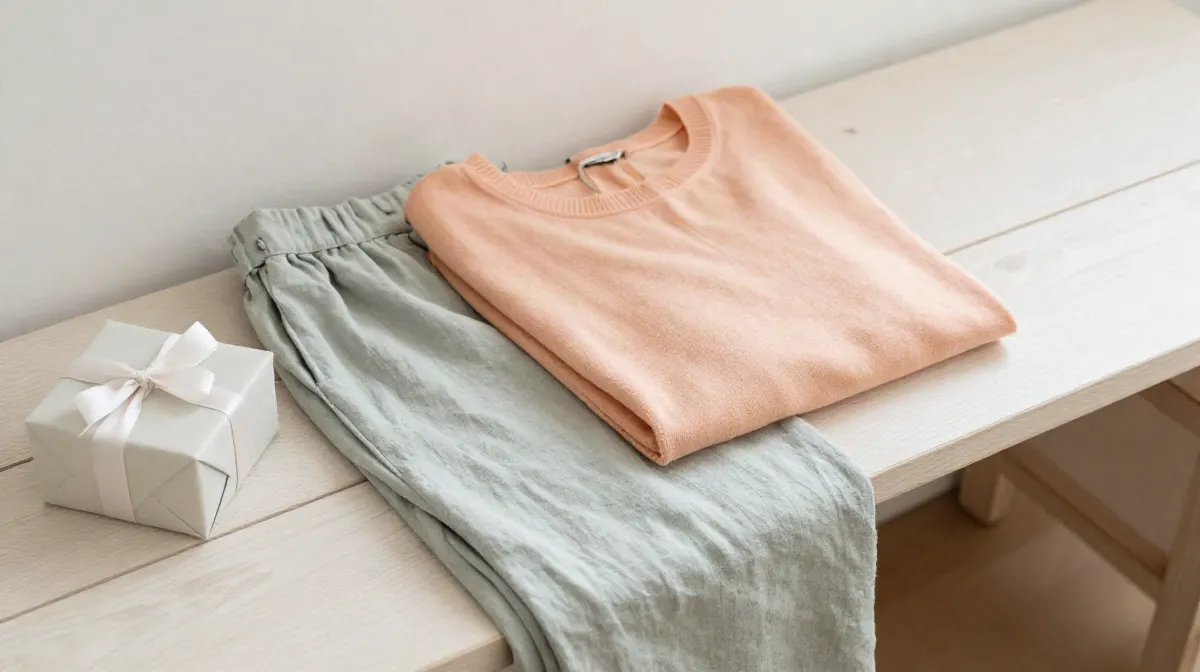
What to wear to a baby shower
A comfortable daytime outfit in soft colors, outfits by place, and soft colors for each of the 12 seasons.
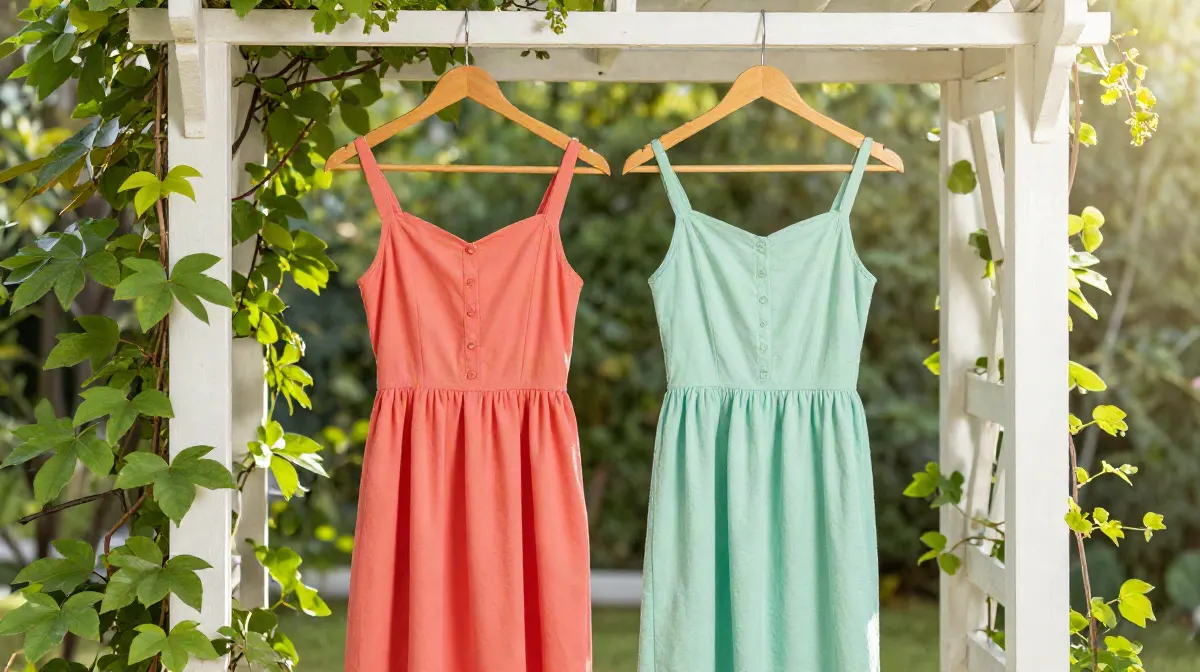
What to wear to a bridal shower
A daytime dress or smart separates, no white, and garden-party colors for each of the 12 seasons.
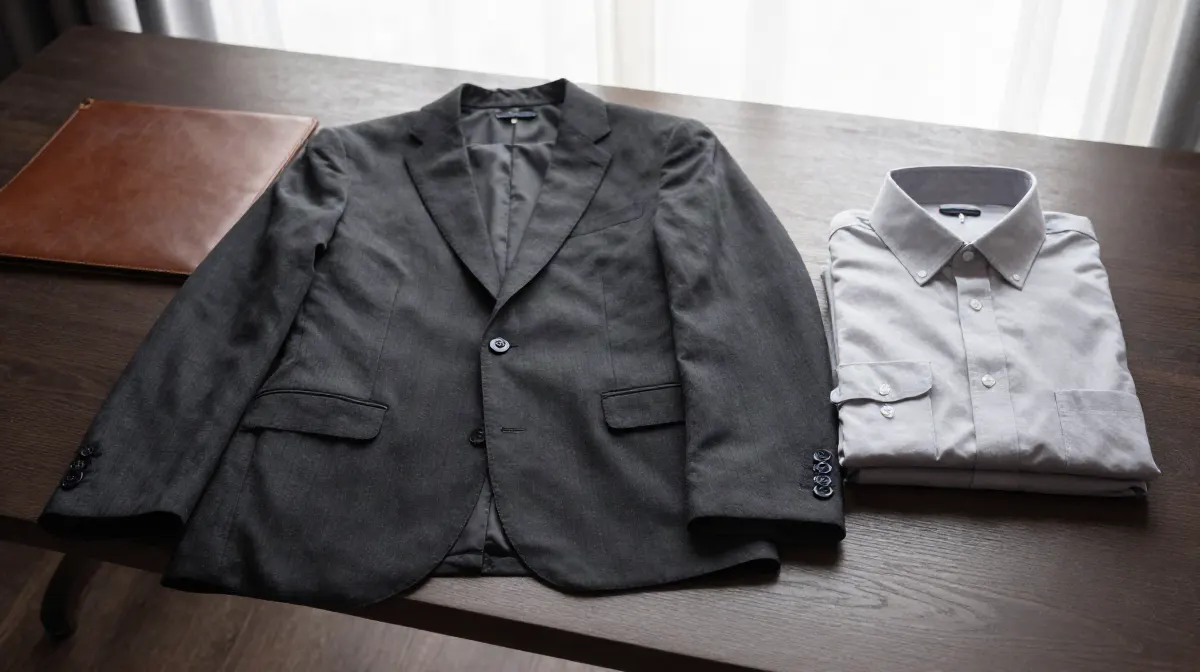
What to wear to court
Clean, conservative clothes in dark, quiet colors, what courts do not allow, and suit and shirt colors for each season.
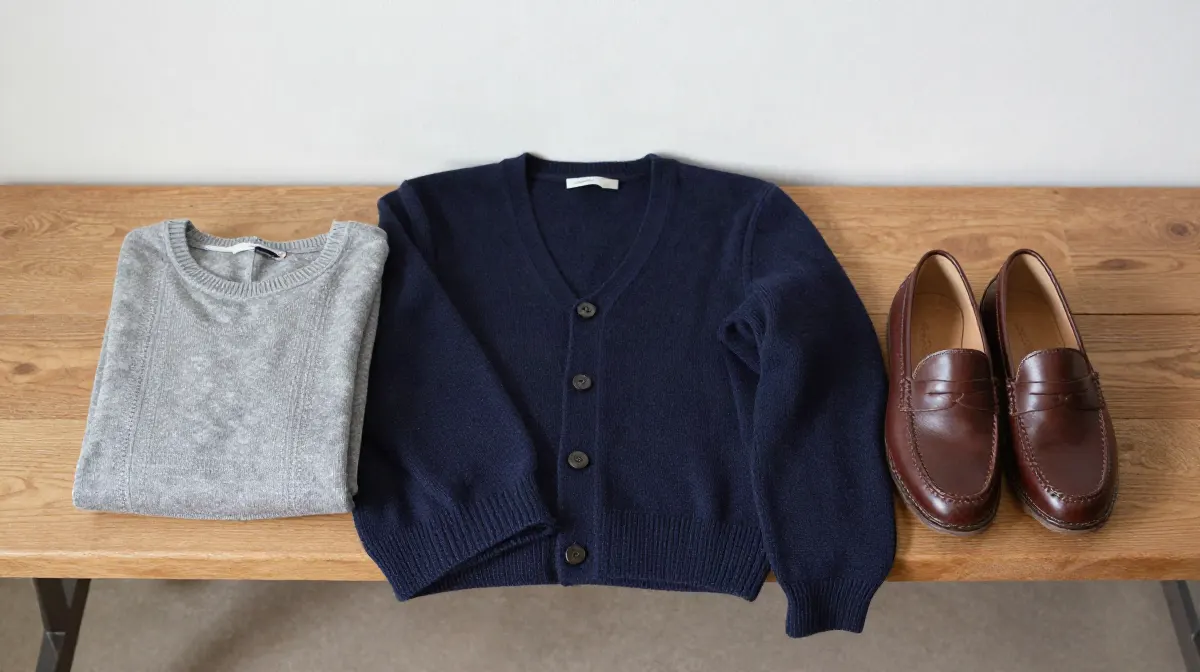
What to wear to jury duty
Business casual in quiet colors, a layer and comfortable shoes, and quiet colors for each of the 12 seasons.
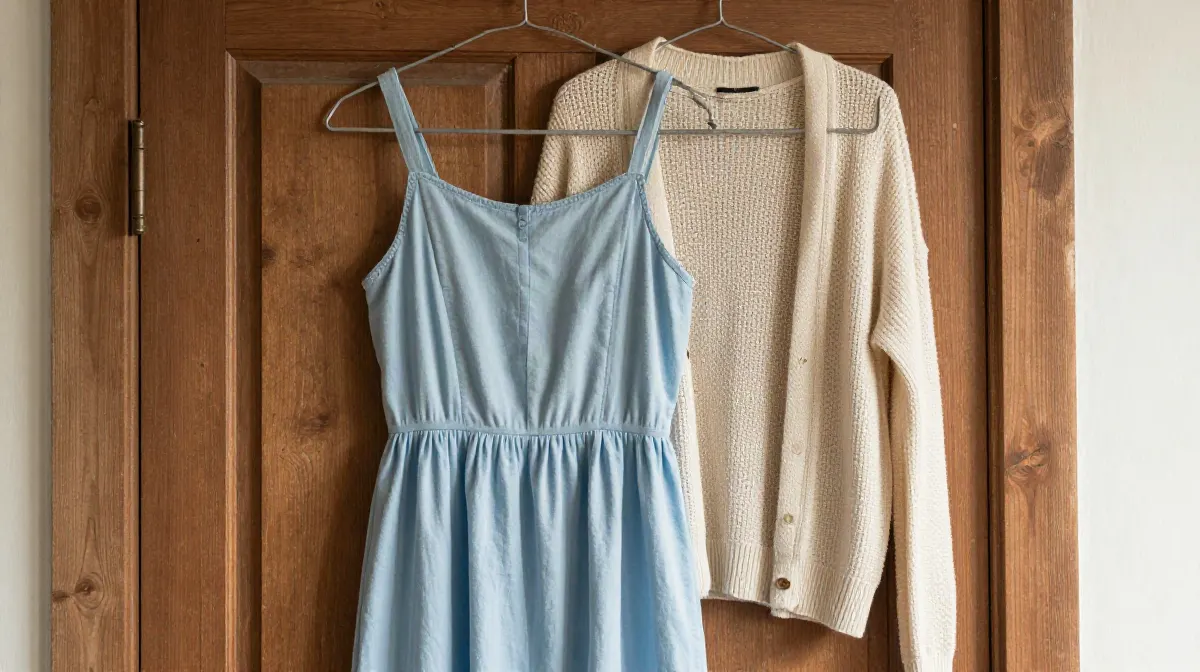
What to wear to church
Neat and modest, from Sunday best to smart casual, and Sunday colors for each of the 12 seasons.
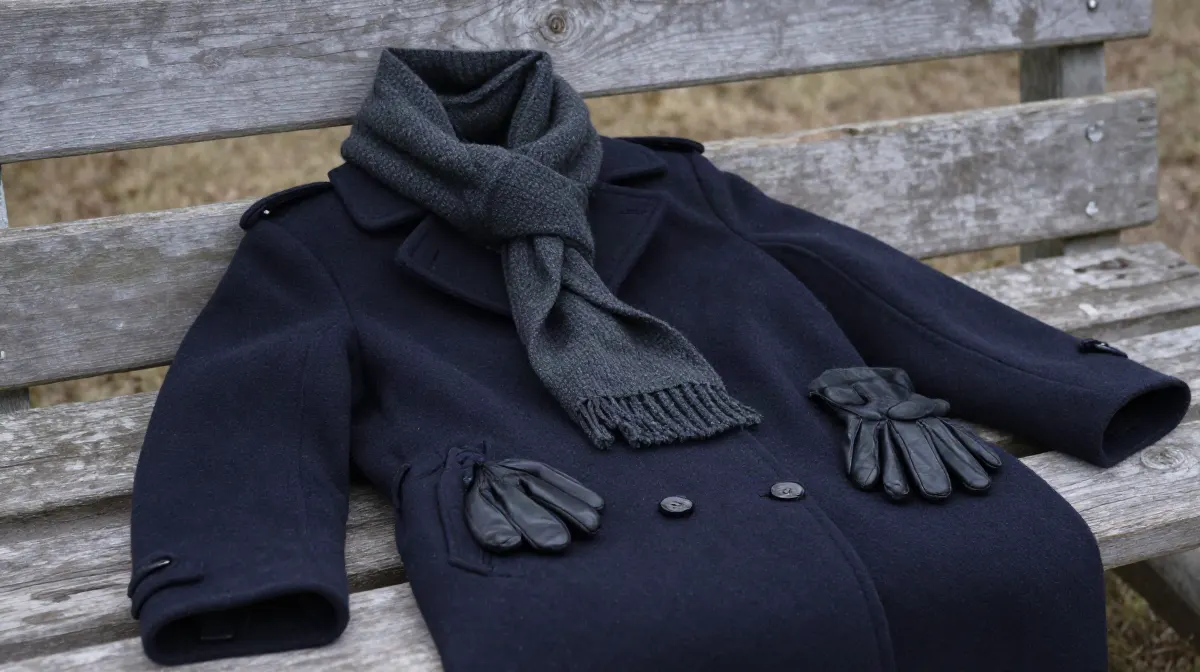
What to wear to a funeral
The funeral dress code for women and men, what to avoid, other traditions, and the dark colors in each of the 12 season palettes if black is hard on you.
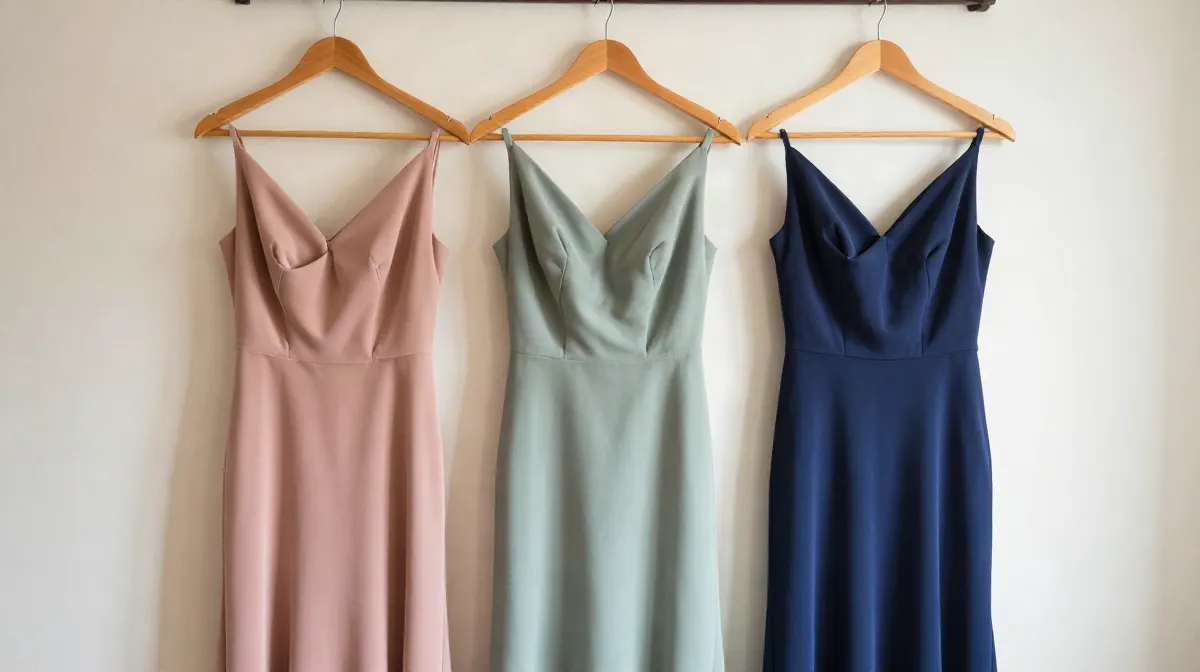
Wedding guest colors: what to wear to a wedding
The colors guests avoid, what each dress code means, and up to three day and three evening guest colors for each of the 12 seasons.
What to wear for a passport photo
A plain top in a solid, mid to dark color that stands out from the light background, and the best colors for each of the 12 seasons.
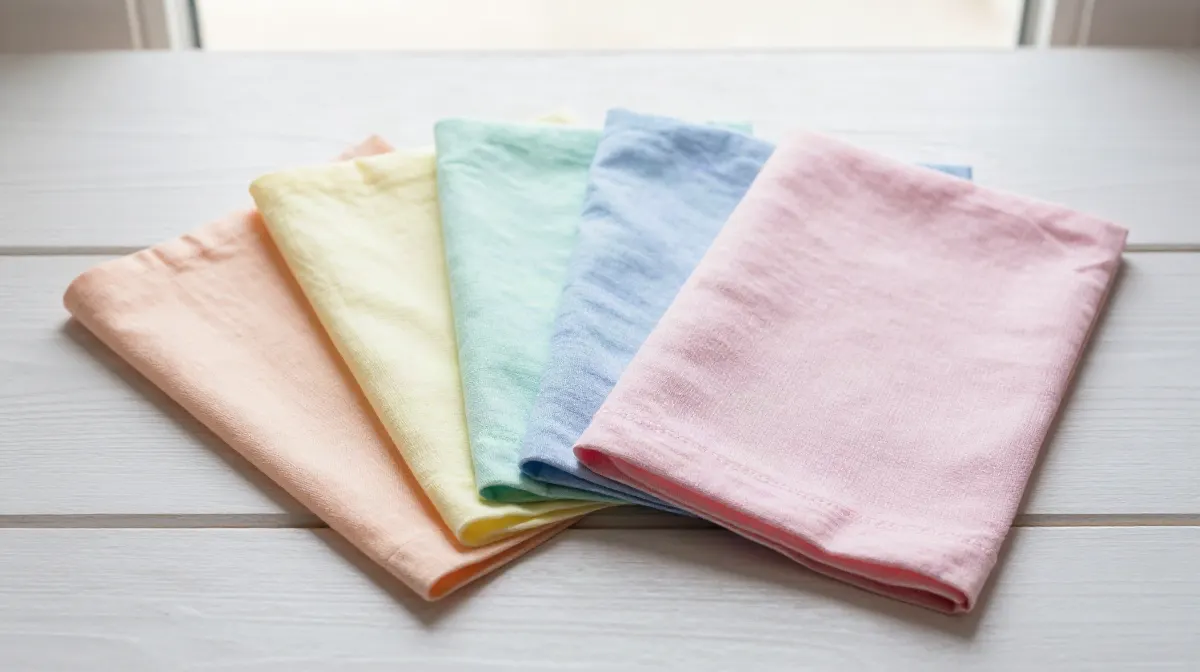
Pastel color palette, with hex codes
Every pastel in the 12 season palettes, from peach to powder pink, with hex codes, the seasons that wear each one and pastel outfit ideas.
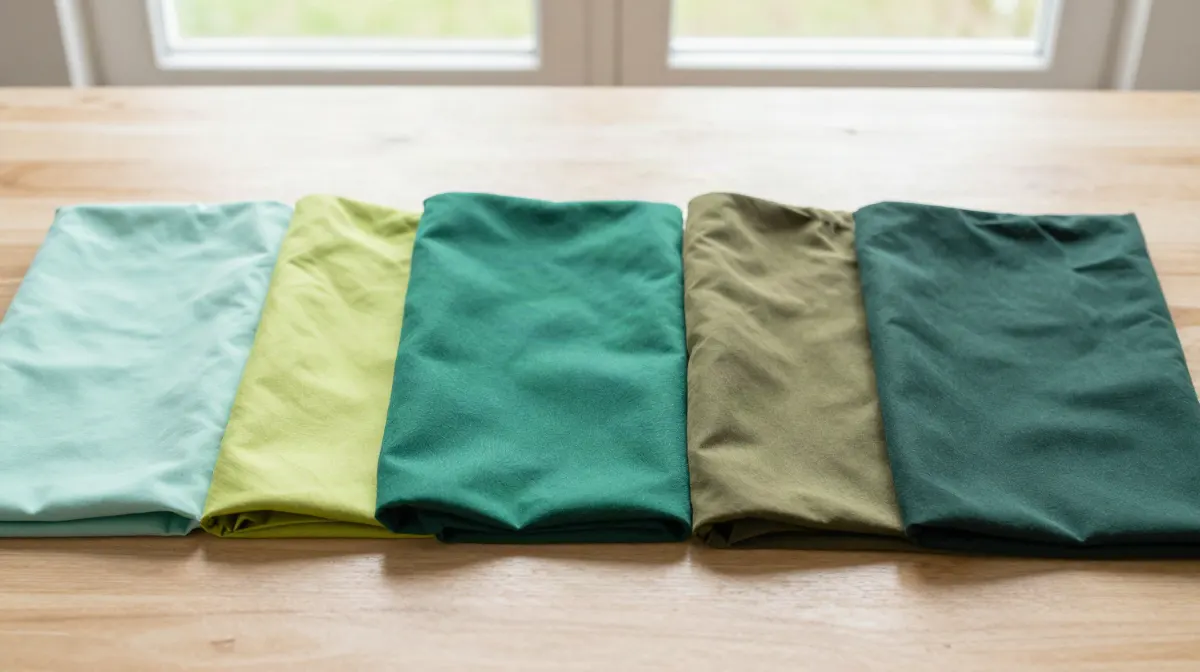
Green color palette: shades of green, with hex codes
Every green in the 12 season palettes, from mint to deep forest, with hex codes, warm and cool greens, and which season wears which.
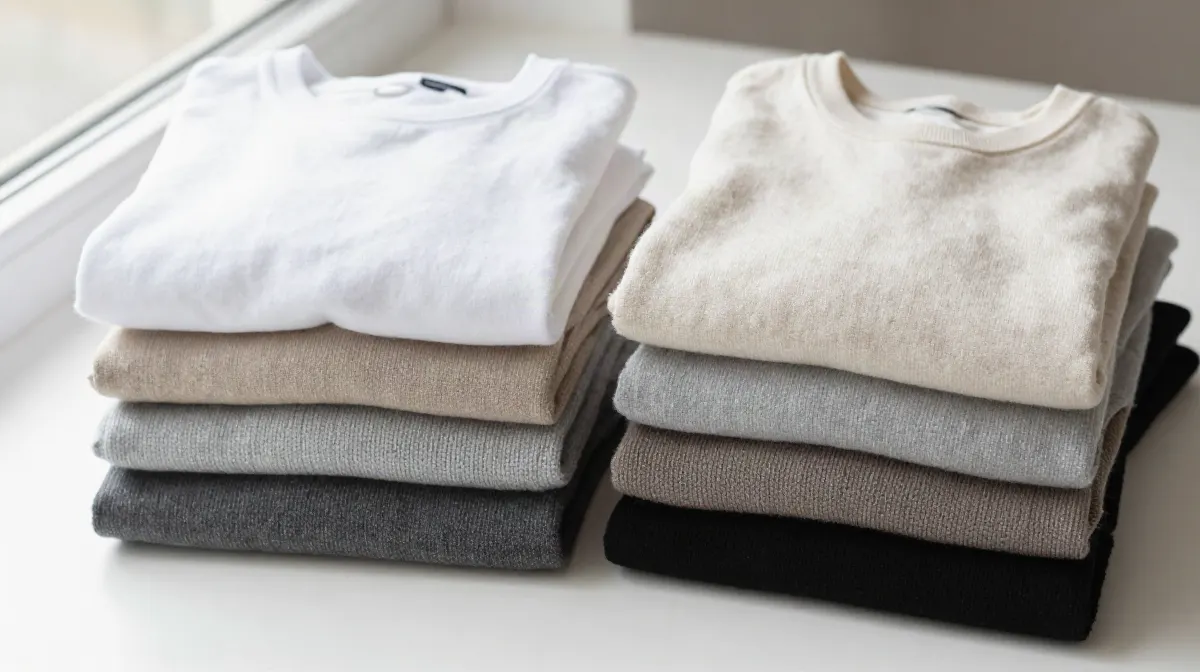
Neutral color palette, with hex codes
The neutral colors of the 12 seasons, from pure white to true black, with hex codes and the neutrals each season builds a wardrobe on.
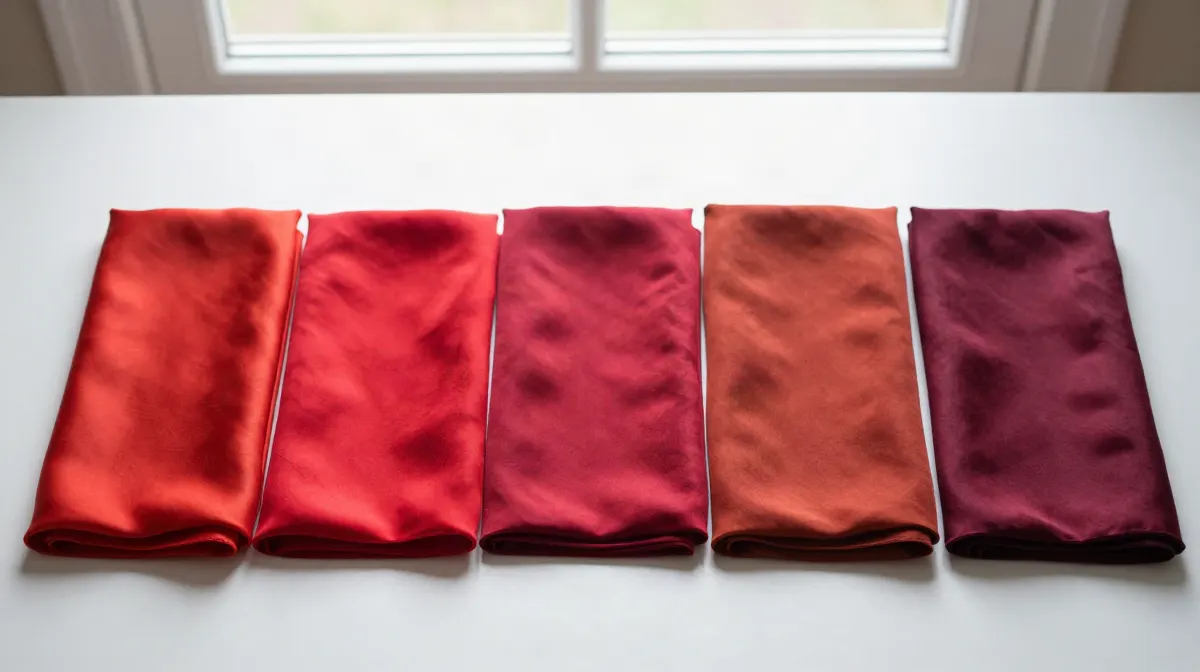
Red color palette: shades of red, with hex codes
The true reds of the 12 season palettes, from poppy to mahogany, with hex codes and the seasons that can wear red.
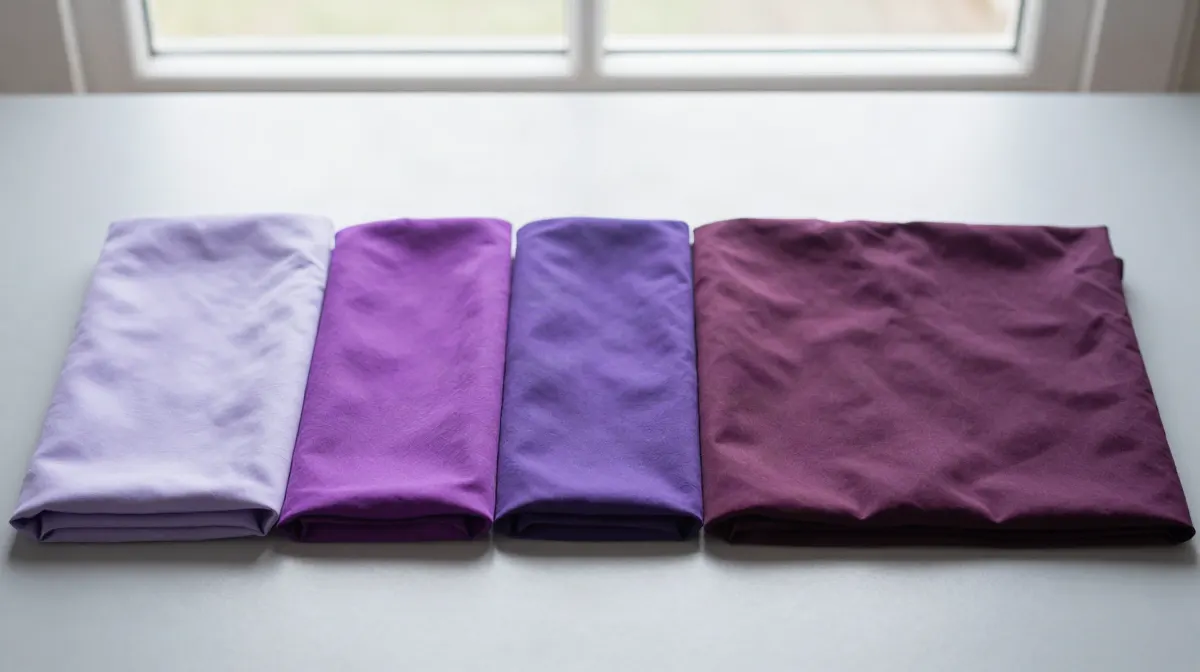
Purple color palette: shades of purple, with hex codes
Every purple in the 12 season palettes, from icy lavender to aubergine, with hex codes and the seasons that wear each one.
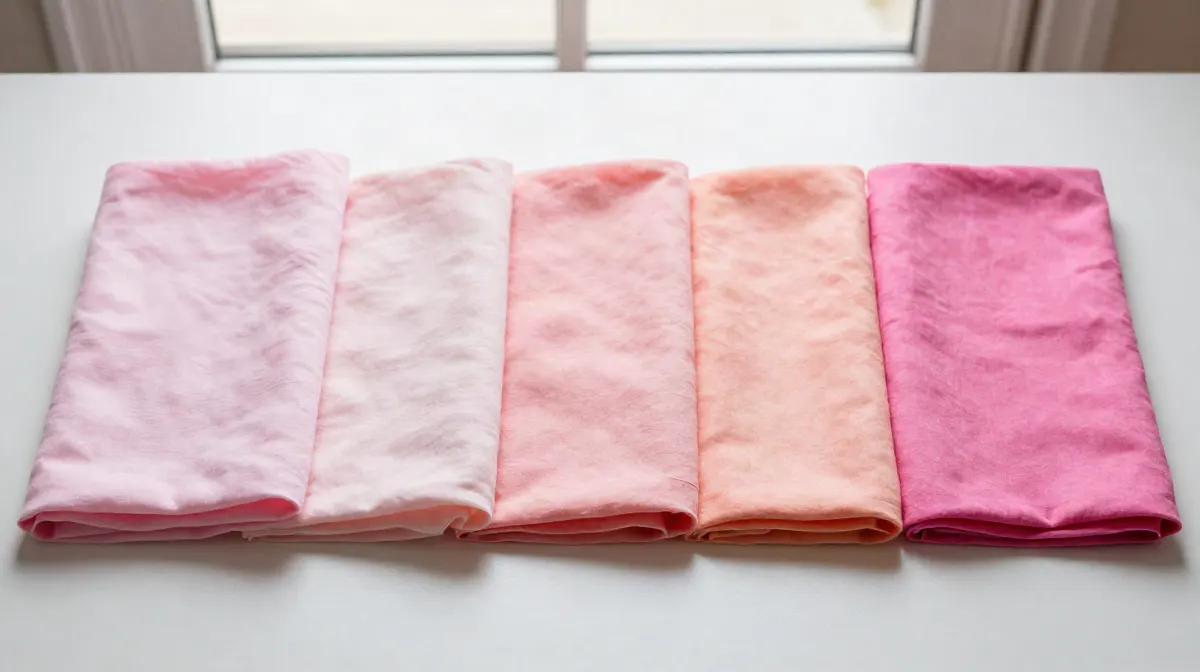
Pink color palette: shades of pink, with hex codes
Every pink in the 12 season palettes, from blossom pink to hot pink, with hex codes, warm and cool pinks, and outfit ideas.
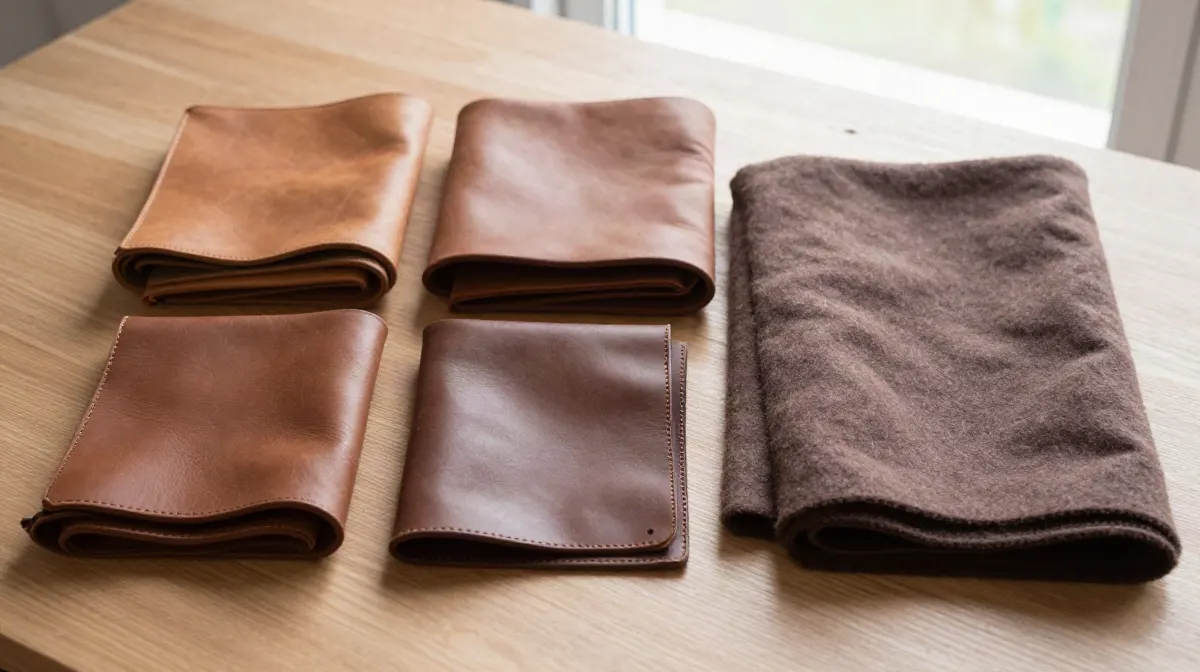
Brown color palette: shades of brown, with hex codes
Every brown in the 12 season palettes, from camel to espresso, with hex codes and the seasons that wear brown best.
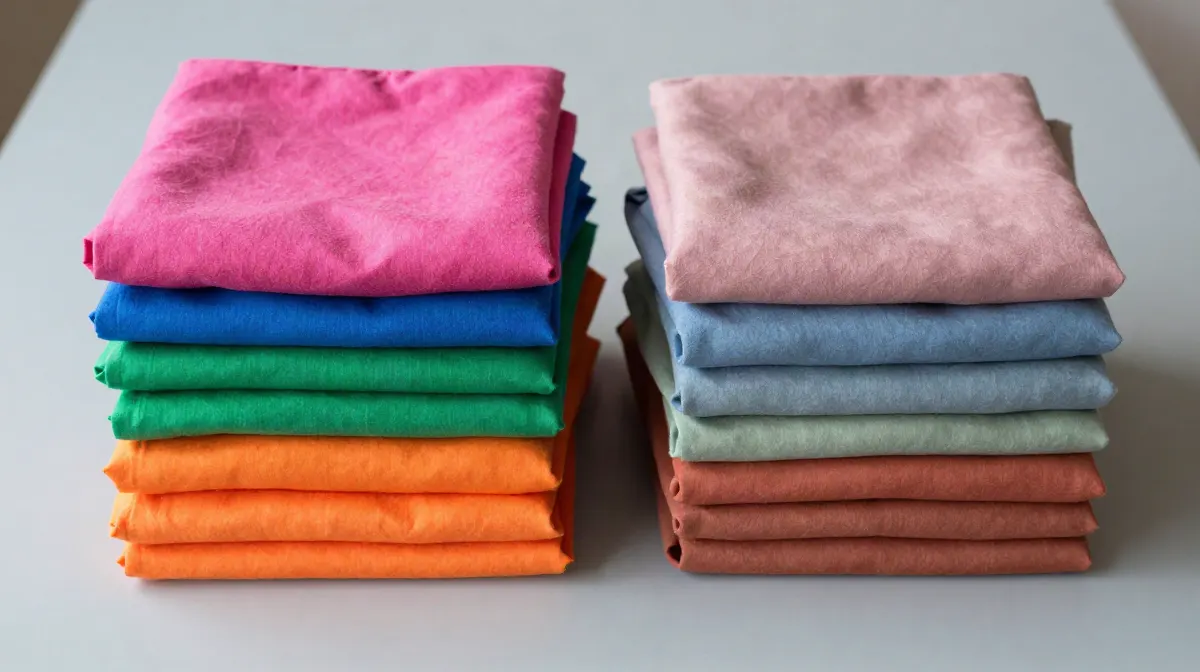
Chroma in color analysis: are you bright or muted?
What chroma means in color analysis, and a picker that runs our real bright-or-muted sum on your skin and hair.
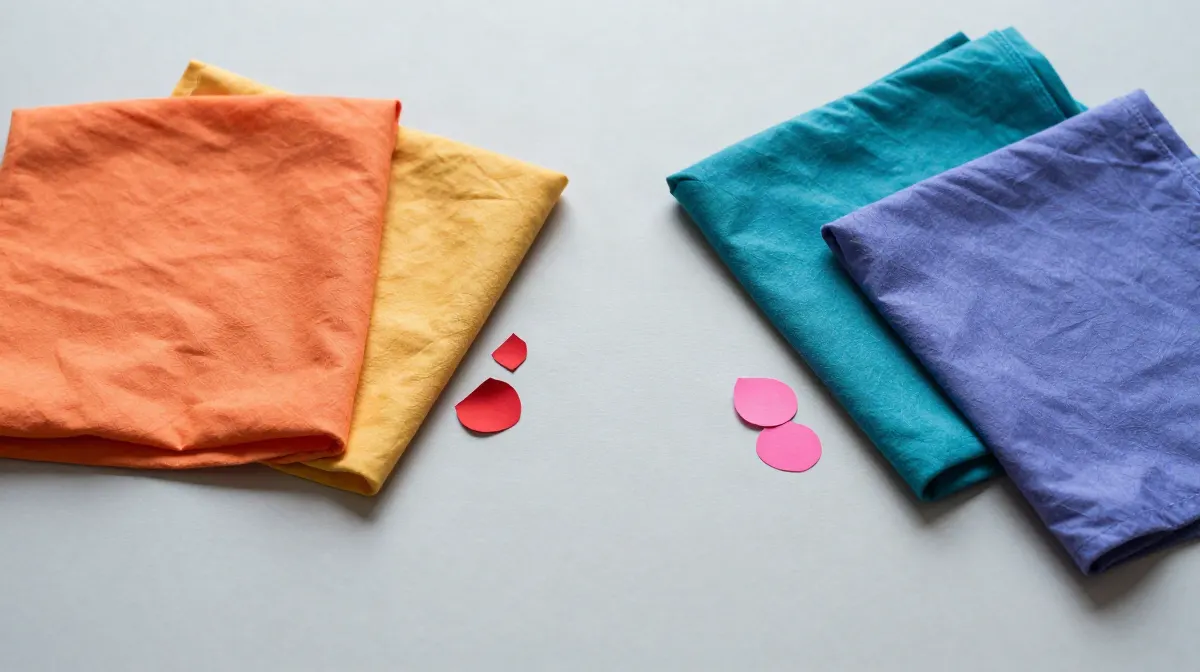
Warm vs cool colors: chart, checker and which ones suit you
What makes a color warm or cool, a checker for any color that names the seasons holding a near one, and a chart of the warmest and coolest color in each family.
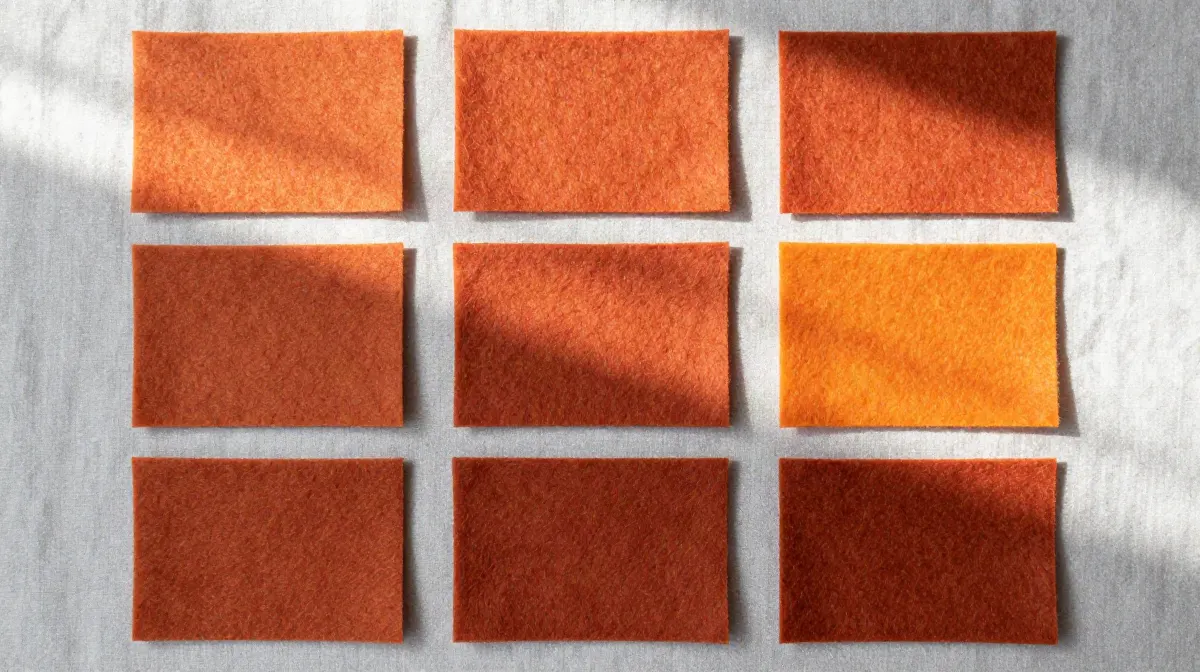
Color theory for clothes and skin tone
The ideas behind color analysis: hue, value and chroma, warm and cool, and simultaneous contrast, mapped to the four traits, with a demo that shows one palette color as nine versions.
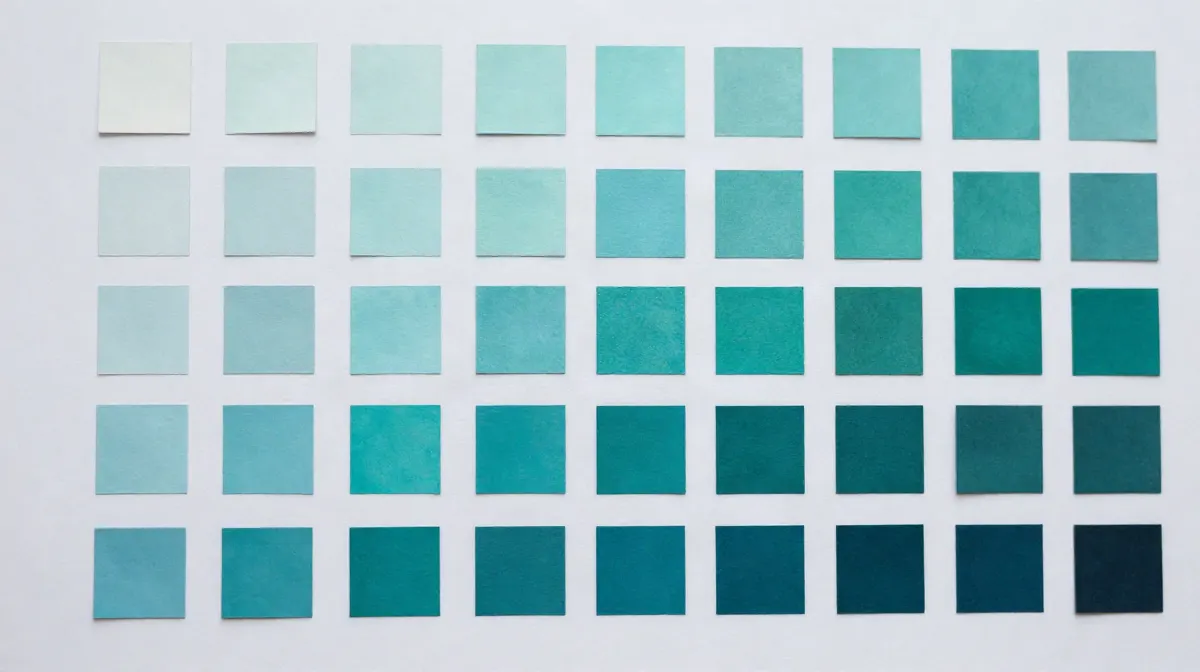
Munsell color system: hue, value and chroma
The three Munsell qualities charted for the 12 seasons on a value by chroma chart and a hue ring, with how they map to the CIELAB numbers our analysis uses.
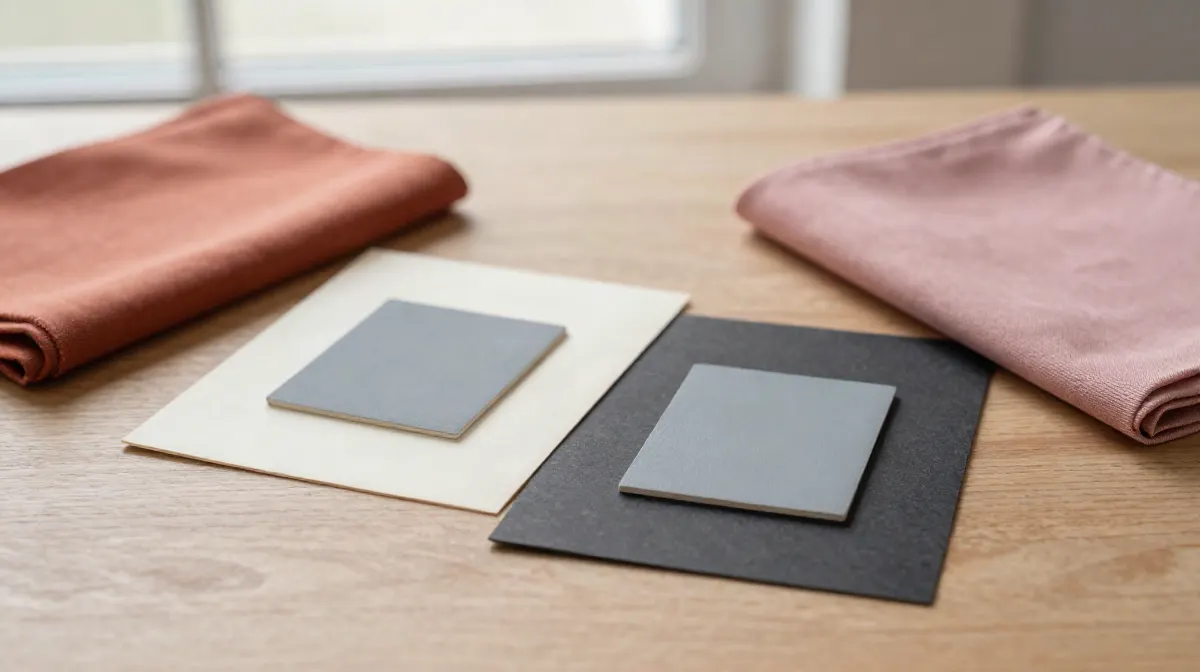
Simultaneous contrast: why your skin looks different next to each color
What simultaneous contrast is, shown with a grey square and then with one skin swatch on a warm and a cool season drape, with what two studies found on skin and what no study has tested.
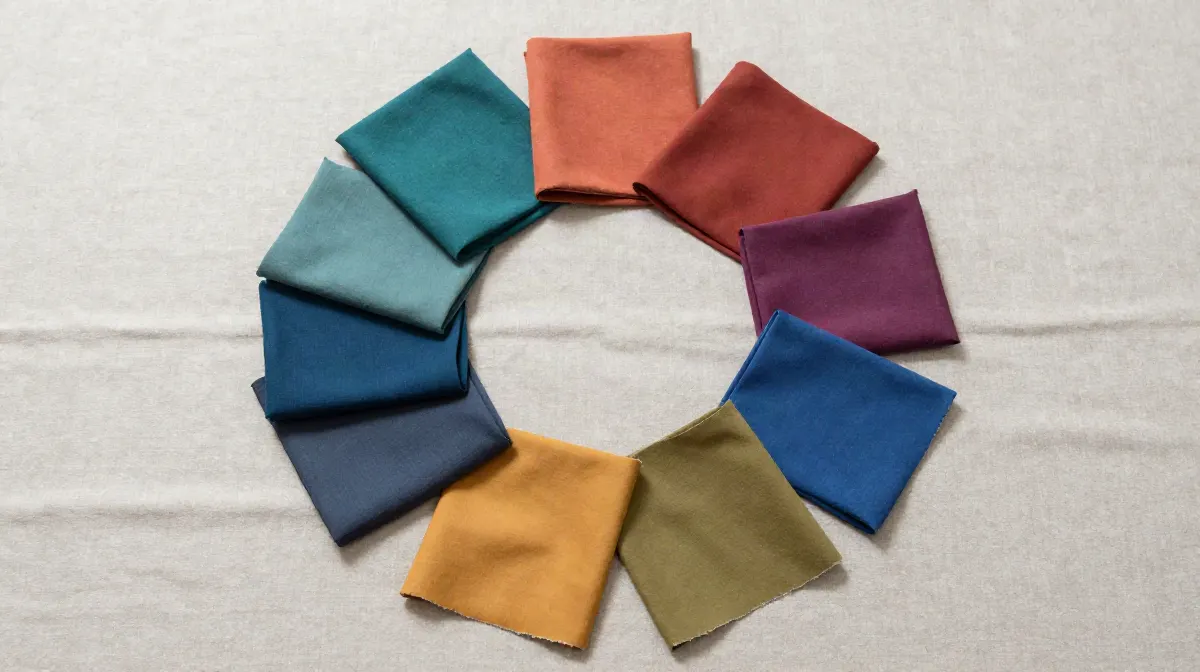
Color wheel for clothes: outfit combinations from your season
Pick a season and a base color to see the complementary, analogous and triadic outfits from your own palette on a hue wheel, with the real angle gap and lightness advice by contrast level.
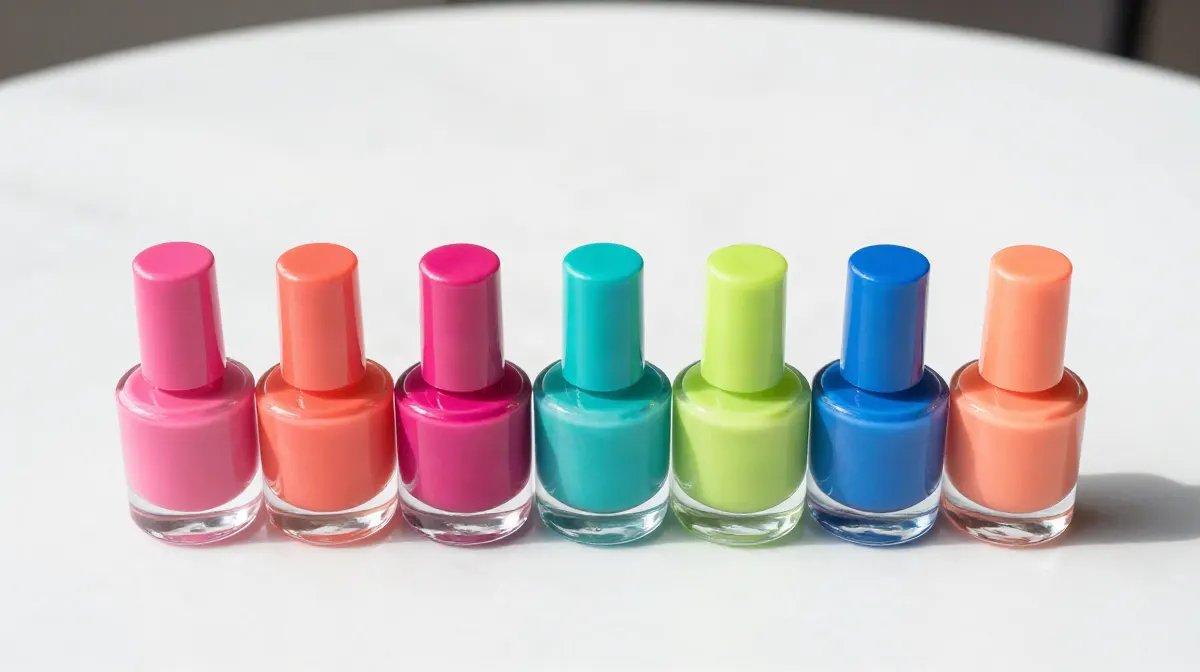
Bright Spring nails: colors and nail designs
The nail colors in the Bright Spring palette, sorted into polish families, with French tip, accent nail and gradient designs and the colors to skip.
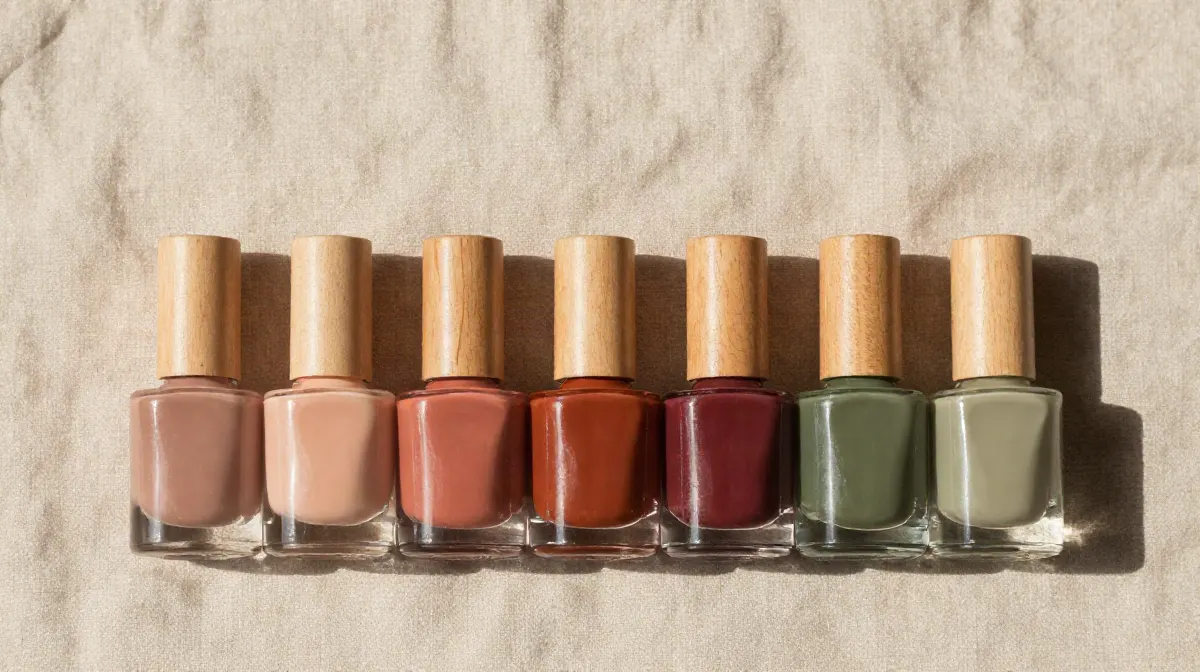
Soft Autumn nail colors
The nail colors in the Soft Autumn palette, from rose beige to mulberry, with French tip, accent nail and gradient designs and the colors to skip.
Best colors for family pictures outside
How to pick outfit colors for a family photo outdoors, with colors for each setting and a tool that finds shared colors when everyone has a different season.
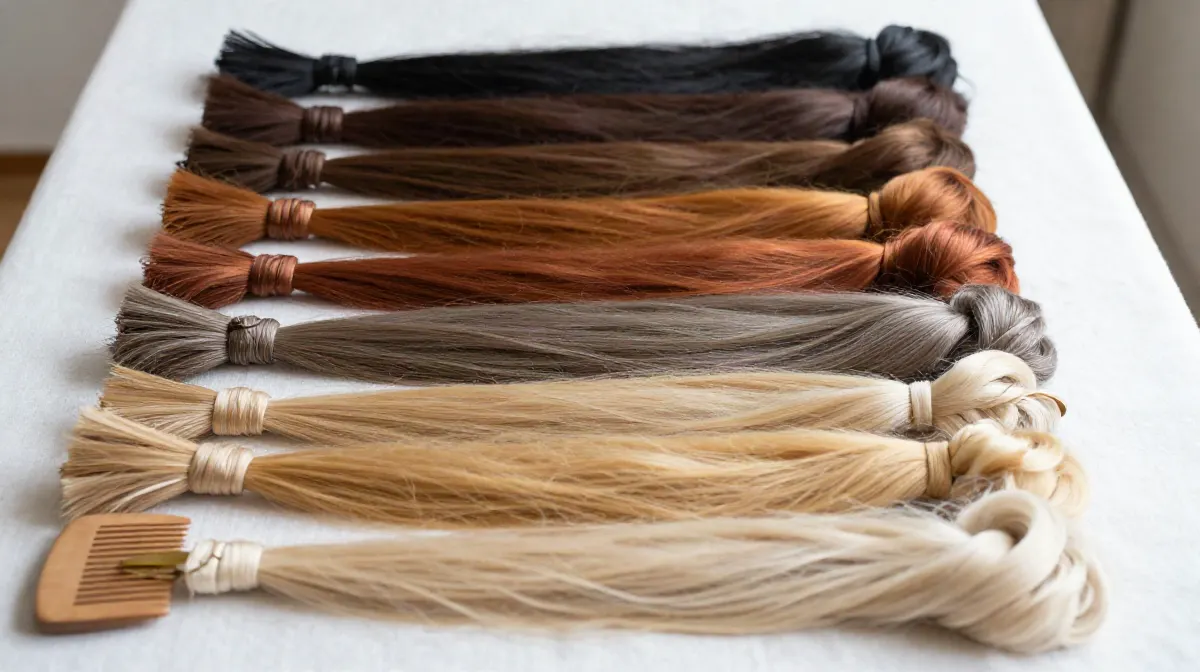
Hair color chart and hair color analysis
A hair color chart from black to platinum in ash, neutral and golden or copper tones, built from the hair colors of all 12 seasons.
Auburn hair color: light, chestnut and dark auburn
Every auburn, copper and chestnut hair shade in our season palettes, from light auburn to dark auburn, with the seasons that list each one.
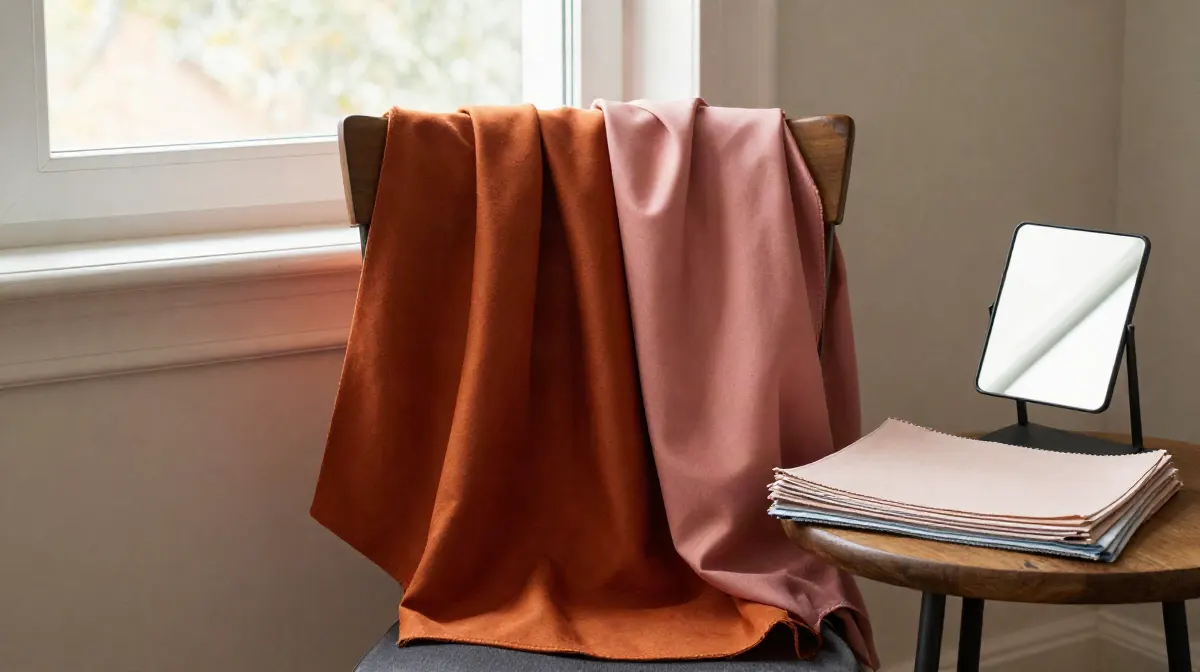
Color draping: what it is and how to try it at home
What color draping is, how an analyst compares drapes in pairs, what a draping kit holds, and a test that shows the three classic pairs on a face.
Korean color analysis, and how it maps to 12 seasons
Korean personal color types, from spring bright to winter deep, placed on our three axes with the two nearest of the 12 seasons and a palette for each.
Color analysis for men
How color analysis works for men, what changes with short hair and a beard, and suit, shirt, tie and knitwear colors for each of the 12 seasons.
Peach skin tone vs pink skin tone
What a peach skin tone is, how it differs from pink, where we draw the line, and what each one means for your undertone.
Best colors for tan skin, by undertone
Clothing and nail colors for tan skin at a cool, neutral or warm undertone, ranked from real season palettes, with a note for olive undertones.
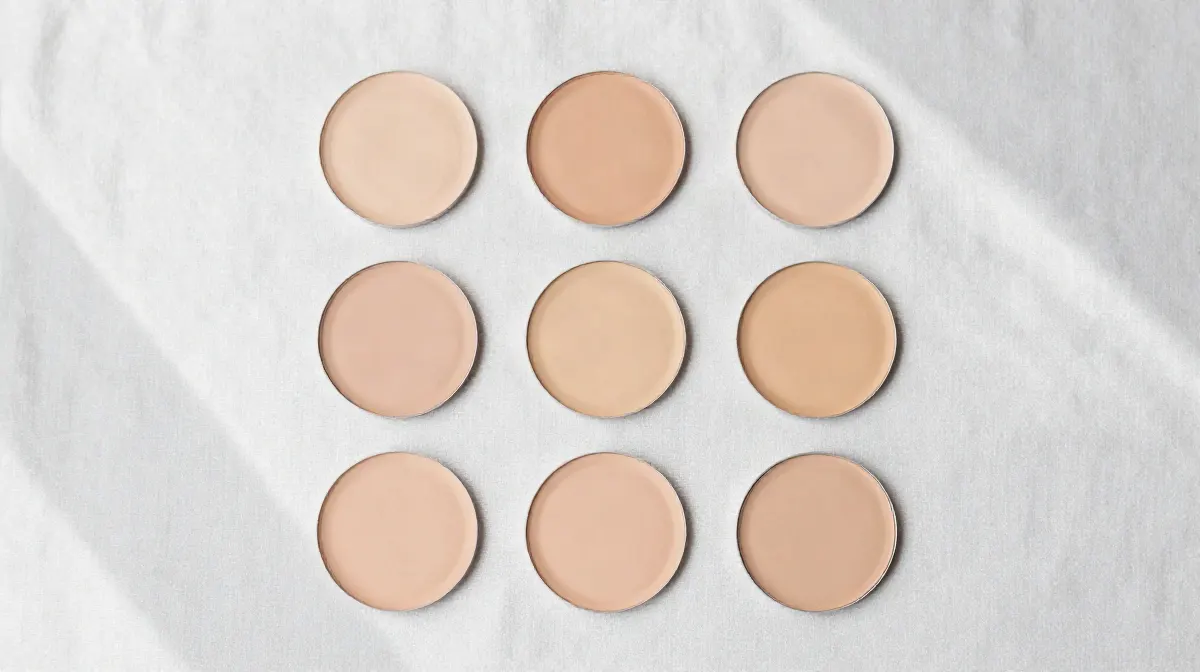
Beige skin tone: warm, neutral or cool beige
What a beige skin tone is, how to tell warm, neutral and cool beige apart, and the colors that stand out most on each one.
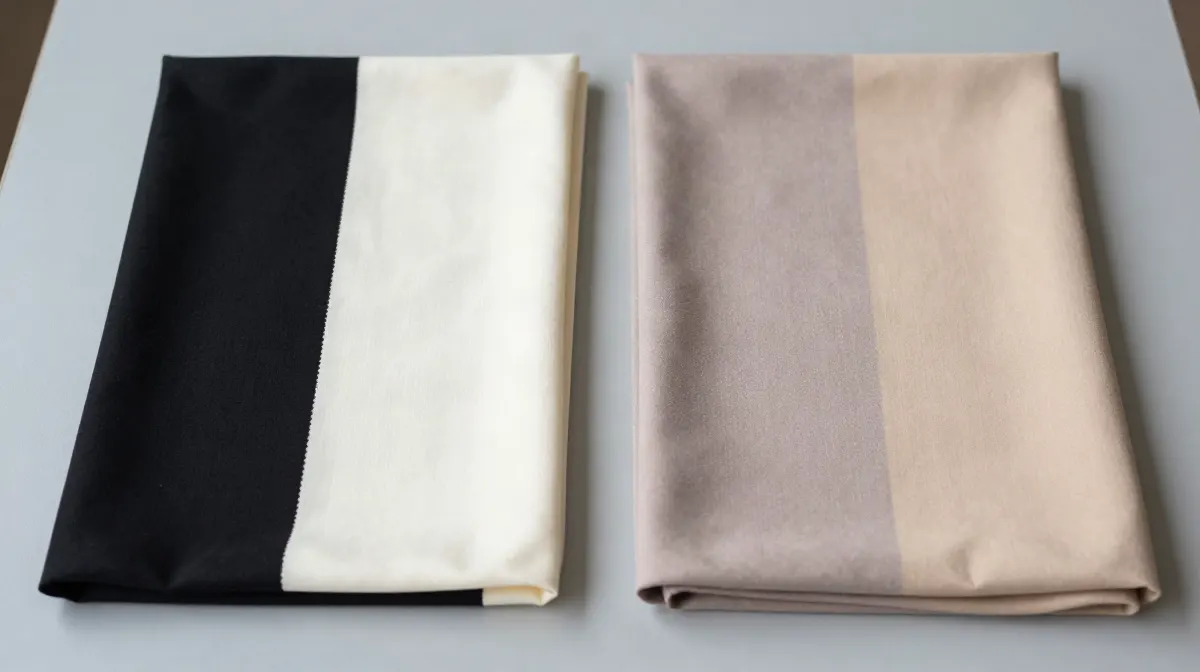
Low contrast face vs high contrast: find your contrast level
How far apart your hair, skin and eyes are in lightness, and why it decides bright or soft colors. Pick your hair and skin to see your level.
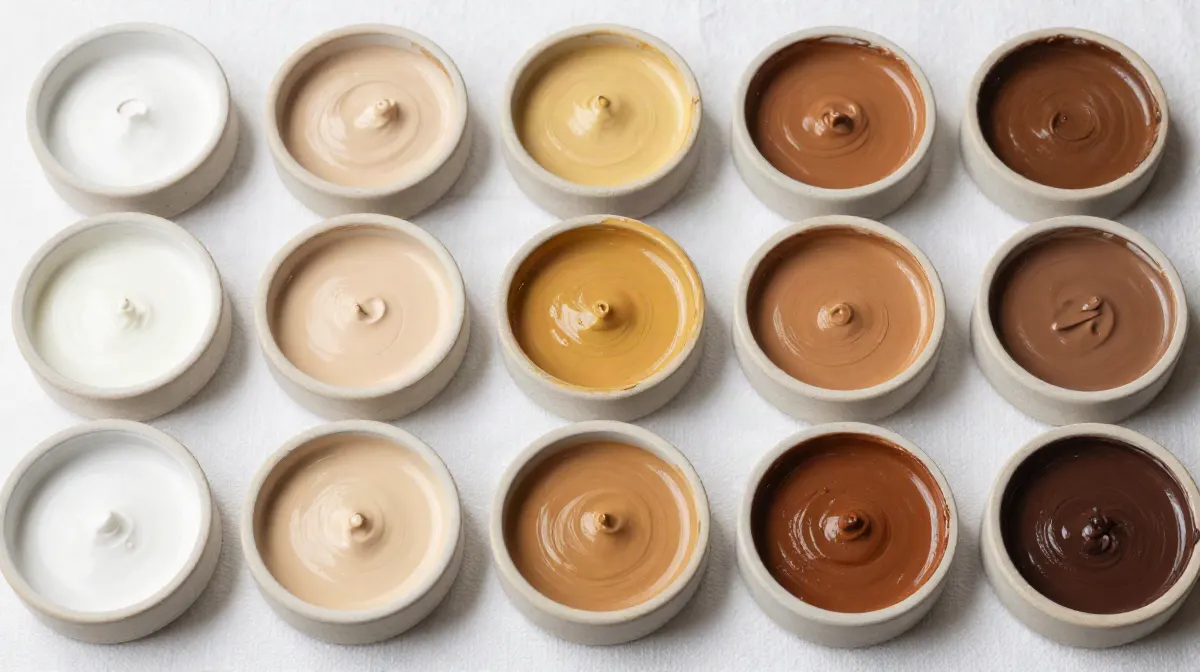
Skin color names, with swatches
The everyday names for skin colors, from porcelain to espresso, each with a computed swatch, its depth and its undertone.
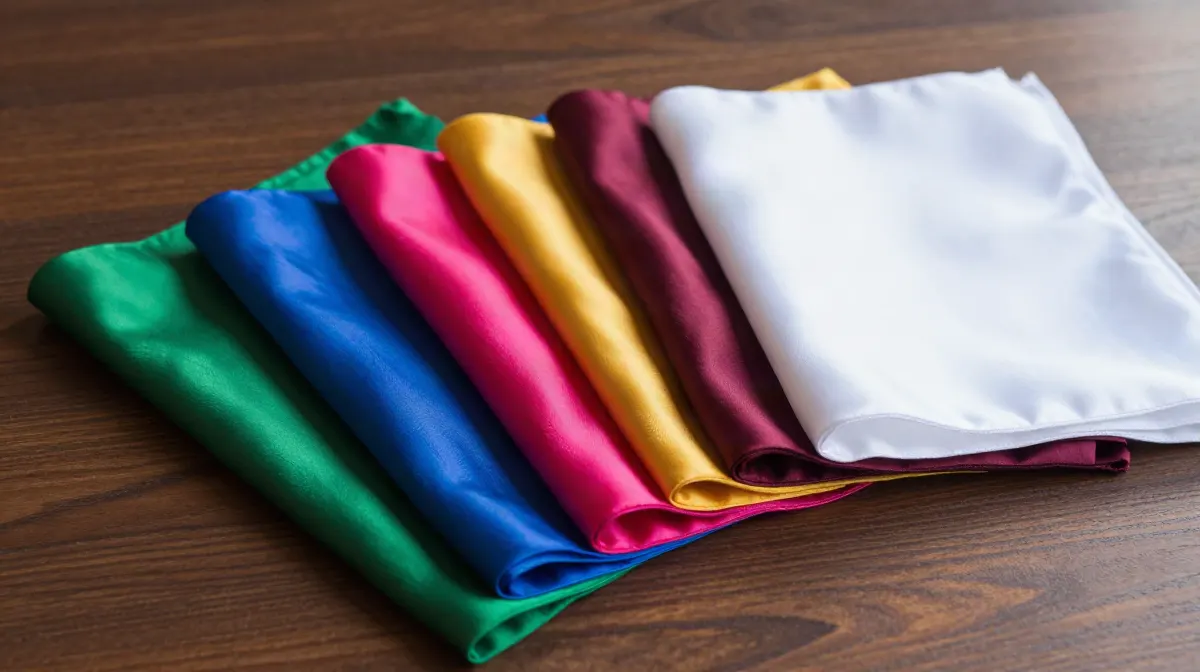
Best colors for dark skin, by undertone
Which colors flatter dark and deep skin, for a cool, neutral or warm undertone, and how to find the undertone when veins are hard to see.
Fair skin: what it is, and fair vs pale vs light
What counts as fair skin, how it differs from pale and light, and the three undertones fair skin comes in.
What skin tone am I? A short skin tone quiz
Answer a few questions about your skin in daylight and in the sun, and get your depth and your likely undertone.
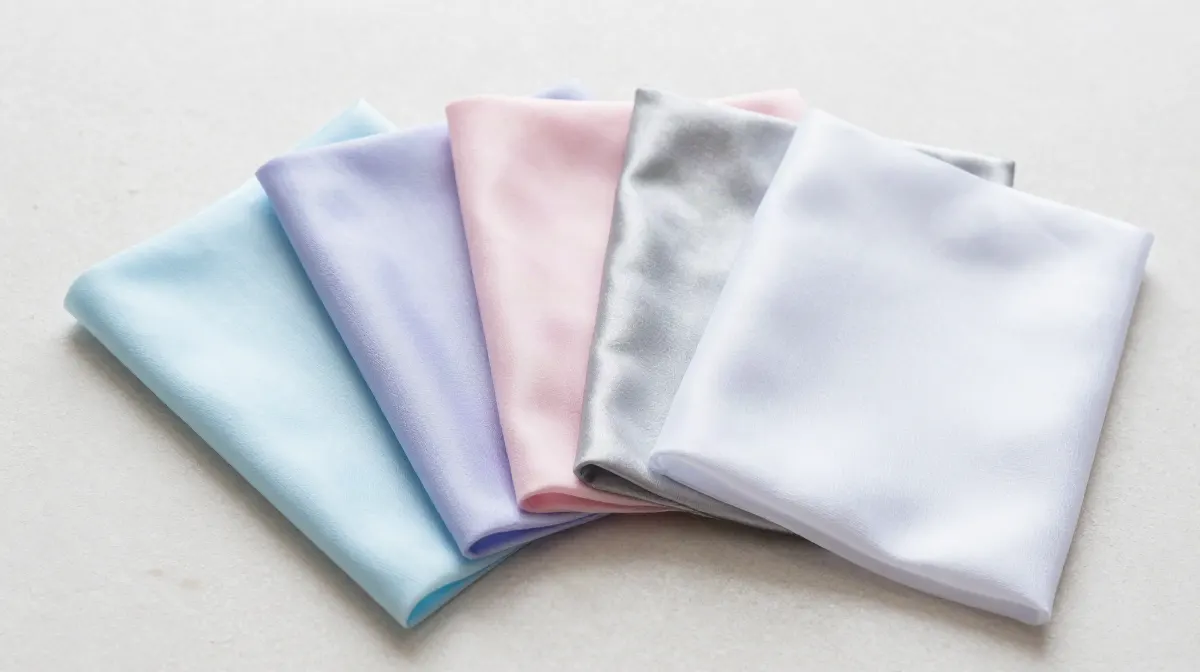
Light winter color palette, and where it sits in 12 seasons
Light Winter is a 16-season name. We place it on our three color axes and show the colors from the two 12-season palettes it lands between.
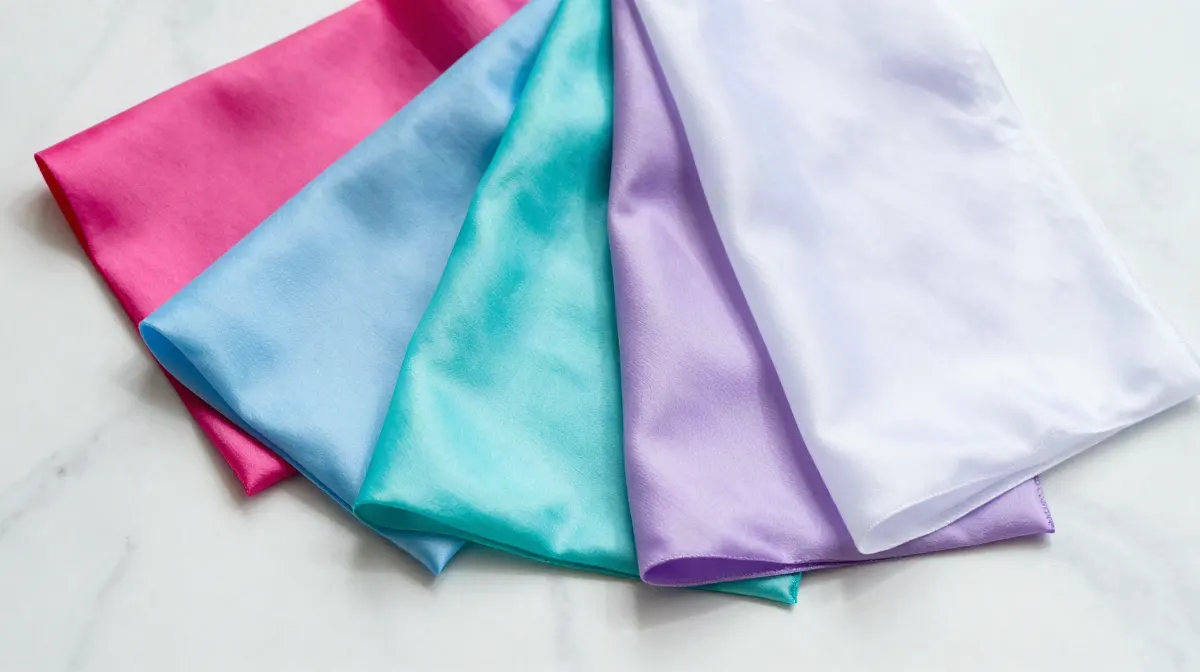
Bright summer color palette, and where it sits in 12 seasons
Bright Summer is a 16-season name. We place it on our three color axes and show the colors from the two 12-season palettes it lands between.
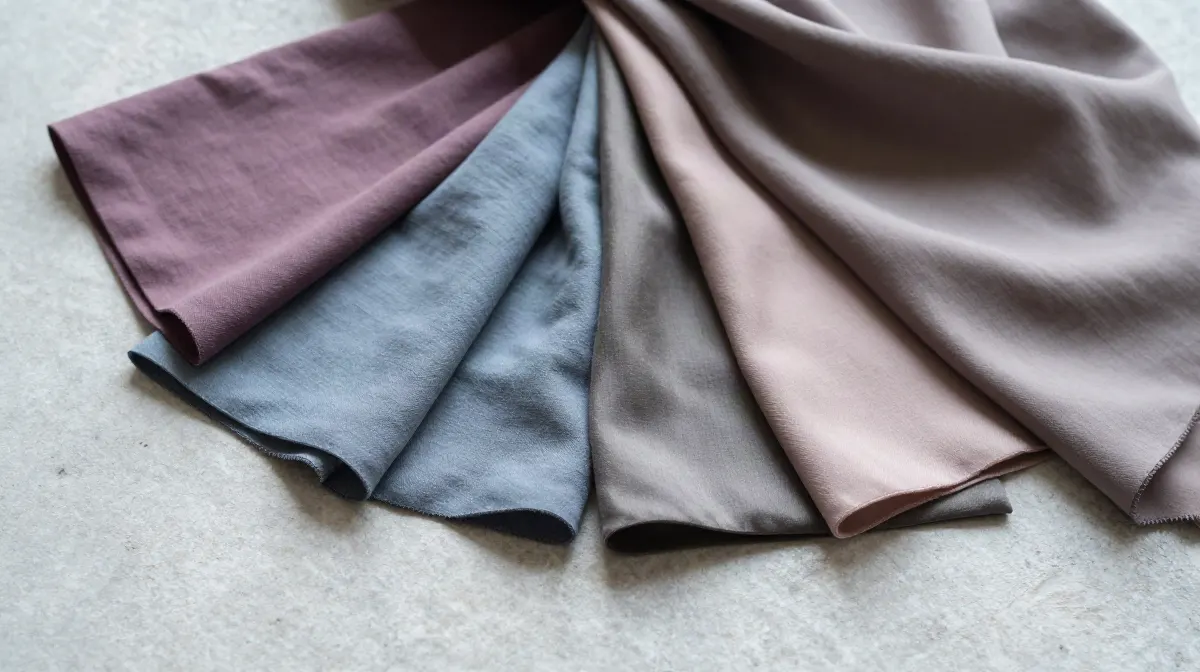
Deep summer color palette, and where it sits in 12 seasons
Deep Summer is a 16-season name. We place it on our three color axes and show the colors from the two 12-season palettes it lands between.
Soft winter color palette, and where it sits in 12 seasons
Soft Winter is a 16-season name. We place it on our three color axes and show the colors from the two 12-season palettes it lands between.
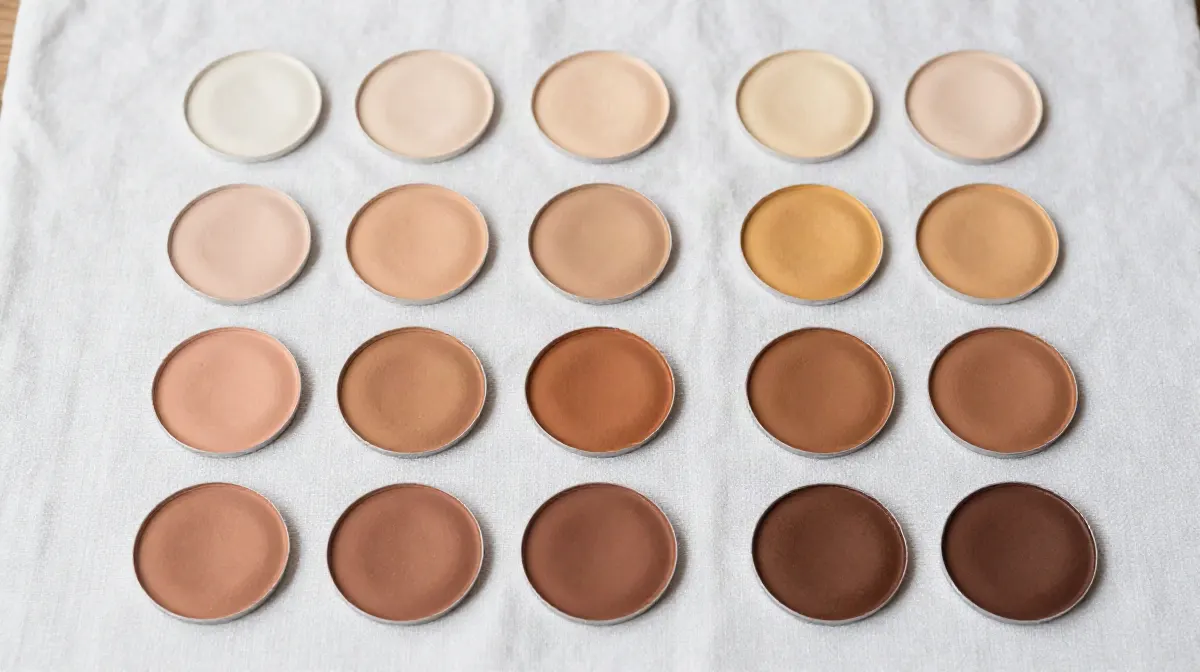
Skin tone chart: the 6 skin tone types, with undertones
Six depths from very light to dark, each in a cool, neutral and warm undertone. Tap a swatch to see what it means for your colors.
Sources we cite
Our encyclopedia pages cite only these 45 papers and books. We checked each one against its DOI or library record, and a claim with no checked source is cut. Among the papers we checked, none tests whether seasonal color analysis or draping is valid, so no page on this site says science proves your season.
Color appearance and design theory
- Chevreul, M. E. (1839). De la loi du contraste simultane des couleurs. Paris: Pitois-Levrault. archive.org/details/delaloiducontras00chev
- Munsell, A. H. (1905). A Color Notation. Boston: Munsell Color Co. openlibrary.org/works/OL1560367W
- Newhall, S. M., Nickerson, D., & Judd, D. B. (1943). Final report of the OSA Subcommittee on the Spacing of the Munsell Colors. Journal of the Optical Society of America, 33(7), 385. doi.org/10.1364/JOSA.33.000385
- Itten, J. The Art of Color: The Subjective Experience and Objective Rationale of Color. Trans. E. van Haagen. New York: Reinhold, 1973 (German original Kunst der Farbe, 1961). openlibrary.org/works/OL3134323W
- Albers, J. (1963). Interaction of Color. New Haven: Yale University Press. 50th anniversary ed. 2013. openlibrary.org/isbn/9780300179354
- CIE (2018). CIE 015:2018 Colorimetry, 4th Edition. Vienna: Commission Internationale de l'Eclairage. doi.org/10.25039/TR.015.2018
- Sharma, G., Wu, W., & Dalal, E. N. (2005). The CIEDE2000 color-difference formula: implementation notes, supplementary test data, and mathematical observations. Color Research & Application, 30(1), 21-30. doi.org/10.1002/col.20070
- Foster, D. H. (2011). Color constancy. Vision Research, 51(7), 674-700. doi.org/10.1016/j.visres.2010.09.006
- Hunt, R. W. G., & Pointer, M. R. (2011). Measuring Colour (4th ed.). Chichester: Wiley. Ch. 6 "Metamerism and Colour Constancy." doi.org/10.1002/9781119975595
- Judd, D. B., MacAdam, D. L., Wyszecki, G., Budde, H. W., Condit, H. R., et al. (1964). Spectral distribution of typical daylight as a function of correlated color temperature. Journal of the Optical Society of America, 54(8), 1031. doi.org/10.1364/JOSA.54.001031
Skin color science
- Anderson, R. R., & Parrish, J. A. (1981). The optics of human skin. Journal of Investigative Dermatology, 77(1), 13-19. doi.org/10.1111/1523-1747.ep12479191
- Chardon, A., Cretois, I., & Hourseau, C. (1991). Skin colour typology and suntanning pathways. International Journal of Cosmetic Science, 13(4), 191-208. doi.org/10.1111/j.1467-2494.1991.tb00561.x
- Fitzpatrick, T. B. (1988). The validity and practicality of sun-reactive skin types I through VI. Archives of Dermatology, 124(6), 869-871. doi.org/10.1001/archderm.1988.01670060015008
- Del Bino, S., & Bernerd, F. (2013). Variations in skin colour and the biological consequences of ultraviolet radiation exposure. British Journal of Dermatology, 169(Suppl 3), 33-40. doi.org/10.1111/bjd.12529
- Heldreth, C. M., Monk, E. P., Clark, A. T., Schumann, C., Eyee, X., & Ricco, S. (2024). Which skin tone measures are the most inclusive? An investigation of skin tone measures for artificial intelligence. ACM Journal on Responsible Computing, 1(1), 1-21. doi.org/10.1145/3632120
- Monk, E. (2023). The Monk Skin Tone Scale. SocArXiv preprint, posted 4 May 2023. doi.org/10.31235/osf.io/pdf4c
- Swiatoniowski, A. K., Quillen, E. E., Shriver, M. D., & Jablonski, N. G. (2013). Technical note: Comparing von Luschan skin color tiles and modern spectrophotometry for measuring human skin pigmentation. American Journal of Physical Anthropology, 151(2), 325-330. doi.org/10.1002/ajpa.22274
- Ly, B. C. K., Dyer, E. B., Feig, J. L., Chien, A. L., & Del Bino, S. (2020). Research techniques made simple: Cutaneous colorimetry: A reliable technique for objective skin color measurement. Journal of Investigative Dermatology, 140(1), 3-12.e1. doi.org/10.1016/j.jid.2019.11.003
- Stephen, I. D., Coetzee, V., & Perrett, D. I. (2011). Carotenoid and melanin pigment coloration affect perceived human health. Evolution and Human Behavior, 32(3), 216-227. doi.org/10.1016/j.evolhumbehav.2010.09.003
- Lefevre, C. E., & Perrett, D. I. (2015). Fruit over sunbed: Carotenoid skin colouration is found more attractive than melanin colouration. Quarterly Journal of Experimental Psychology, 68(2), 284-293. doi.org/10.1080/17470218.2014.944194
- Nkengne, A., Bertin, C., Stamatas, G. N., Giron, A., Rossi, A., Issachar, N., & Fertil, B. (2008). Influence of facial skin attributes on the perceived age of Caucasian women. Journal of the European Academy of Dermatology and Venereology, 22(8), 982-991. doi.org/10.1111/j.1468-3083.2008.02698.x
- Kienle, A., Lilge, L., Vitkin, I. A., Patterson, M. S., Wilson, B. C., Hibst, R., & Steiner, R. (1996). Why do veins appear blue? A new look at an old question. Applied Optics, 35(7), 1151. doi.org/10.1364/AO.35.001151
Facial contrast
- Russell, R. (2009). A sex difference in facial contrast and its exaggeration by cosmetics. Perception, 38(8), 1211-1219. doi.org/10.1068/p6331
- Porcheron, A., Mauger, E., & Russell, R. (2013). Aspects of facial contrast decrease with age and are cues for age perception. PLoS ONE, 8(3), e57985. doi.org/10.1371/journal.pone.0057985
- Porcheron, A., Mauger, E., Soppelsa, F., Liu, Y., Ge, L., Pascalis, O., Russell, R., & Morizot, F. (2017). Facial contrast is a cross-cultural cue for perceiving age. Frontiers in Psychology, 8, 1208. doi.org/10.3389/fpsyg.2017.01208
- Jones, A. L., Russell, R., & Ward, R. (2015). Cosmetics alter biologically-based factors of beauty: Evidence from facial contrast. Evolutionary Psychology, 13(1), 210-229. doi.org/10.1177/147470491501300113
Eye and hair color
- Sturm, R. A., & Larsson, M. (2009). Genetics of human iris colour and patterns. Pigment Cell & Melanoma Research, 22(5), 544-562. doi.org/10.1111/j.1755-148X.2009.00606.x
- Ito, S., & Wakamatsu, K. (2011). Diversity of human hair pigmentation as studied by chemical analysis of eumelanin and pheomelanin. Journal of the European Academy of Dermatology and Venereology, 25(12), 1369-1380. doi.org/10.1111/j.1468-3083.2011.04278.x
- Panhard, S., Lozano, I., & Loussouarn, G. (2012). Greying of the human hair: a worldwide survey, revisiting the '50' rule of thumb. British Journal of Dermatology, 167(4), 865-873. doi.org/10.1111/j.1365-2133.2012.11095.x
Clothing color, perception and color psychology
- Elliot, A. J., & Niesta, D. (2008). Romantic red: Red enhances men's attraction to women. Journal of Personality and Social Psychology, 95(5), 1150-1164. doi.org/10.1037/0022-3514.95.5.1150
- Lehmann, G. K., Elliot, A. J., & Calin-Jageman, R. J. (2018). Meta-analysis of the effect of red on perceived attractiveness. Evolutionary Psychology, 16(4). doi.org/10.1177/1474704918802412
- Elliot, A. J. (2015). Color and psychological functioning: a review of theoretical and empirical work. Frontiers in Psychology, 6, 368. doi.org/10.3389/fpsyg.2015.00368
- Perrett, D. I., & Sprengelmeyer, R. (2021). Clothing aesthetics: Consistent colour choices to match fair and tanned skin tones. i-Perception, 12(6), 1-22. doi.org/10.1177/20416695211053361
- Perrett, D. I. (2025; online first 23 Oct 2023). Eye color is more important than skin color for clothing color aesthetics. Psychology of Aesthetics, Creativity, and the Arts, 19(5), 1099-1110. doi.org/10.1037/aca0000626
- Batres, C., & Russell, R. (2026). Perceived skin evenness is influenced by background color and hair color. Perception. Online 10 Aug 2026. doi.org/10.1177/03010066261474995
- Brooks, K. R., & Gwinn, O. S. (2010). No role for lightness in the perception of black and white? Simultaneous contrast affects perceived skin tone, but not perceived race. Perception, 39(8), 1142-1145. doi.org/10.1068/p6703
History of seasonal color analysis (books and archives)
- Caygill, S. (1980). Color: The Essence of You. Millbrae, CA: Celestial Arts. Archive: Suzanne Caygill papers, #6367, Division of Rare and Manuscript Collections, Cornell University Library. openlibrary.org/isbn/0890871957
- Kentner, B. (1978). Color Me a Season. Kenkra Publishers. openlibrary.org/works/OL16479344W
- Jackson, C. (1980). Color Me Beautiful. Washington, DC: Acropolis Books. openlibrary.org/isbn/0874914108
- Spillane, M., & Sherlock, C. (1995). Color Me Beautiful's Looking Your Best. Lanham, MD: Madison Books. openlibrary.org/isbn/1568330375
Does seasonal or personal color analysis work? (peer-reviewed studies)
- Cha, H.-Y., & Kim, J.-H. (2011). A comparative analysis of the skin color according to seasonal types in personal color systems: focused on UK, Japanese, Korean, German personal color systems. Journal of Investigative Cosmetology (Korean Society of Beauty), 7(4), 339-348. doi.org/10.15810/jic.2011.7.4.002
- Moon, W.-M., & Park, Y.-S. (2014). Personal color analysis through relation between timber, skin tone and iris color. Journal of the Korean Society of Color Studies, 28(2), 15-25. doi.org/10.17289/jkscs.28.2.201405.15
- Hong, H., & Kim, Y. (2019). A mobile application for personal colour analysis. Cogent Business & Management, 6(1). doi.org/10.1080/23311975.2019.1576828
- Stacchio, L., Paolanti, M., Spigarelli, F., & Frontoni, E. (2025). Deep Armocromia: A novel dataset for face seasonal color analysis and classification. In Computer Vision, ECCV 2024 Workshops, LNCS, pp. 352-367. Springer. doi.org/10.1007/978-3-031-91569-7_22
- Senghuy, C., Kyu, P. M. T., Carole, K. S., Lee, J. H., Lee, J. Y., & Kim, H.-C. (2026). Seasonal skin tone classification using a hierarchical deep learning framework. Journal of Information and Communication Convergence Engineering, 24(2), 165-174. doi.org/10.56977/jicce.2026.24.2.165
Common claims the evidence does not support
- The vein test (blue veins = cool, green veins = warm) finds your undertone. (see S22)
- Each person fits exactly one of four (or twelve) seasons, defined by science. (see S33, S41, S45)
- Skin undertone decides which clothing colors suit you. (see S34, S33)
- Winter types have cool (low b*) skin, autumn types warm skin, in measured data. (see S41)
- Seasonal draping is a validated, repeatable test. (see S41, S42)
- Red clothing makes people more attractive. (see S31)
- Colors have reliable psychological effects (calming blue, energising red). (see S32)
- Fitzpatrick type tells you your skin tone or undertone. (see S13, S15)
- Contrast makes you look younger, healthier or better in clothes. (see S23, S24, S25)
- An app proves your season. (see S43, S44, S45)
What a definition cannot do
A definition tells you what a word means. It cannot tell you which season you are: that needs your own skin, hair and eyes in good light. Our free analysis reads them from one selfie, in your browser.
How this is different from other color analysis tools
- 01
Your photo stays on your device
Many photo apps upload your selfie and read it on their server (see our comparison). Ours measures it in your browser. There is no upload.
- 02
The result is free
Your season and palette, with no account and no email. At least one app in our comparison takes payment before you see any result.
- 03
A close call says so
Every result names the runner-up season and how close the call was. Borderline is a result we print.
- 04
We publish our accuracy
We tuned the method on faces that experts had labelled by season, then tested it on 410 celebrity photos we collected. The results, misses included.
What you can do on this page
This page is a glossary of color analysis: 73 terms from A to Z, each with a one- or two-sentence definition and a link to the page that explains it, and a box that filters the terms as you type. It groups the site's articles by topic (the four traits, skin, hair, the seasons, wearing your colors, our research). The free photo analysis reads undertone, depth and chroma from one selfie in the browser, with no upload and no account.